




Description
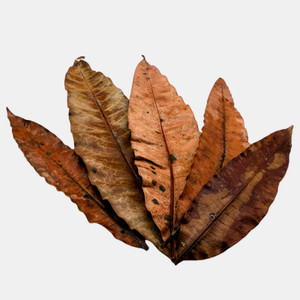
Aquatic Mangosteen Leaves | Pack of 11
Create a richer, more natural aquarium with Aquatic Mangosteen Leaves—broad, textured leaves collected from the Garcinia mangostana tree (the famous “Queen of Fruits”). Each leaf is gathered only after it naturally falls, then hand-cleaned and sun-dried to preserve its authentic character. They’re 100% natural and free of pesticides, herbicides, and artificial treatments, making them a safe botanical addition for community tanks, shrimp tanks, and planted aquariums alike. Safe for all fish and invertebrates.
Natural Benefits in the Aquarium
Mangosteen Leaves are loved for the way they help a tank feel more “alive” and established. Once submerged, they begin a slow, natural transition from simple décor into a functional part of your aquarium’s ecosystem—releasing tannins and other plant compounds that can contribute to a calmer, more natural feel, especially in blackwater- and forest-stream-inspired setups. Over time, the leaf surface develops biofilm and microgrowth, turning it into a natural grazing zone where shrimp pick and forage, plecos and other catfish rasp along the surface, and bottom dwellers patrol the area as tiny food particles collect around the edges.
You may notice a gentle amber tint as tannins release—often more pronounced in softer water. If you prefer clearer water, regular water changes or activated carbon can reduce the tint. Tannins may also nudge pH lower depending on your tank’s buffering (KH), while harder, well-buffered water often shows little change.
Key benefits at a glance:
- Gradual tannin release for a more natural, tea-tinted “blackwater” aesthetic
- Biofilm-friendly surface that encourages natural grazing behavior
- Leaf-litter shelter that gives fry and shy fish better cover and comfort
- Adds organic texture and “living detail” as the leaf softens over time
Together, these effects do more than shift the look of the water or add a decorative leaf on the bottom—they help your aquarium behave more like a real ecosystem. The tannin release and natural compounds create a softer, more “settled” atmosphere that many aquarists associate with calmer fish, better color, and more natural behavior, while the leaf surface itself becomes functional habitat as biofilm develops. In practical terms, Mangosteen Leaves add cover where shy fish feel safer, create grazing territory shrimp and plecos will actively use, and introduce the kind of organic irregularity that makes a scape feel mature and believable—like it’s been there for months, not arranged five minutes ago.
Aquascaping with Aquatic Mangosteen Leaves
Mangosteen Leaves shine in the “quiet spaces” of a layout—those open areas of sand or soil that can look too clean without a little nature scattered across the bottom. Use them to create a realistic leaf-litter zone under driftwood arches, along the edges of rockwork, or around the base of rooted plants where your eye naturally travels. They also work beautifully as soft transitions between open foreground and hardscape, adding depth without making the tank feel cluttered.
For a cohesive natural look, pair Mangosteen Leaves with one of our driftwood pieces (like Saba Wood, Tiger Wood, or Blackwood) and anchor the scene with stones, then soften everything with plants such as Anubias, Swords, Cryptocorynes, or mosses so the whole scape feels “grown in,” not simply placed.
Quick Aquascaping Tips:
- Tuck leaves under driftwood or between rocks so they look naturally lodged
- Layer 2–3 leaves with slight overlap to mimic real riverbed leaf litter
- Place leaves in shaded areas to create calm, low-light hiding zones
- Mix leaf shapes with pods/other botanicals for a more irregular, realistic bottom
The most convincing leaf-litter effect comes from irregularity. Instead of placing leaves like ornaments, let them look “accidental”—slightly overlapped, angled differently, and partially tucked under wood or against stone the way current and gravity would naturally settle them. That variation adds depth and scale to the foreground, breaks up overly clean substrate, and creates small pockets where fine particles and microfoods collect. Those little zones quickly become high-traffic areas for shrimp, snails, corydoras, and other bottom dwellers, while the shaded spaces beneath and between leaves give fry and shy fish a sense of security. When you combine Mangosteen Leaves with other botanicals and tie everything into your hardscape and plants, the result stops looking decorated and starts looking established—a true, lived-in slice of nature.
How to Use & Prep Aquatic Mangosteen Leaves
Rinse leaves under warm running water to remove any natural dust or debris. For faster sinking and a gentler initial release, pre-soak in warm water for several hours to a day, then add directly to the aquarium. If you want the benefits with less visible leaf litter, you can also place a leaf (or pieces) in a media bag in a high-flow area of your filter.
Start with a few leaves in smaller tanks and scale up based on your tank size and the level of tint you prefer. You can always add more over time as you learn how your aquarium responds.
Note: Each Mangosteen Leaf is unique in size, shape, and coloration. As a 100% natural product, variations are normal and are part of the authentic, organic character they bring to your aquascape.
Why Buy from Modern Aquarium
At Modern Aquarium, we focus on helping you build truly natural aquariums—pairing botanicals with the right plants and hardscape to create layouts that look established and feel alive. We’ve also been designated by Google as a Top Quality Store, and we have thousands of verified customer reviews on Google, so you can shop with confidence.