

If you’re looking for lush foreground and background plants with well-developed root structures that can immediately be placed in your aquarium, our live plants on mats are the ideal choice. Each one of our grass mats grows well in ideal conditions and, by absorbing excess nutrients, functions as an excellent waste removal system. Our aquarium plants on mats can be easily planted in your current substrate. Explore our selection of aquarium grass here!

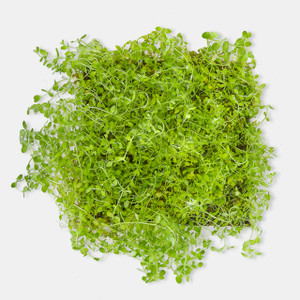

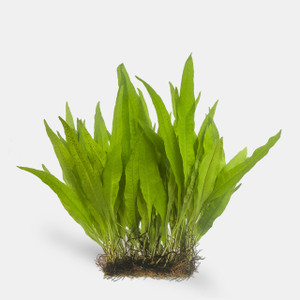
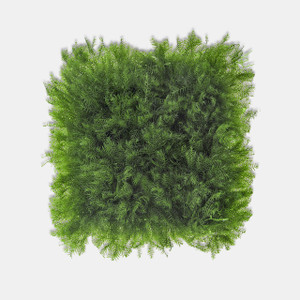

Yes, all aquarium grass mats spread over time. The rate and extent of the spreading will depend on the plant species and your aquarium care and maintenance. Some of the ways you can encourage your fish tank grass to spread faster include:
Each plant species requires lighting that fits its needs. You’ll need to explore every aquarium grass page to read more about their ideal environments. Luckily, these aquatic grass plants thrive in a moderate range of conditions, so you can seamlessly blend your selections into the existing aquarium habitat.
The most popular method for mat installation is simply to place the mat on top of your aquarium substrate and allow it to grow. Over time, roots will develop, and the plant will begin spread throughout your aquarium. Finally, you may consider introducing CO2 (optional) and fertilizers to maintain existing plant life and encourage healthy growth.