

Hardy and Easy Aquarium Plants
Posted by Artur M. Wlazlo on 25 Dec 2025
The Best Beginner Aquarium Plants (With Deeper, Practical Care and Aquascaping Advice)
If you’re looking for easy aquarium plants that actually stay alive in a real-world tank—busy schedule, average lighting, no pressurized CO₂—this guide is built for you. The plants here are the ones aquarists repeatedly come back to because they’re hardy, forgiving, and capable of making a tank look “grown-in” without needing a high-tech setup.
Because a truly useful beginner guide needs more than a quick list, this blog is split into two parts. Part One covers three foundational “workhorse” plants—two classic hardscape epiphytes and one iconic centerpiece rosette—that can form the backbone of countless low-tech aquascapes. Part Two continues the list with additional hardy favorites (including faster growers, grass-like spreaders, and other low-maintenance staples) and shows how to combine them into a planted tank that looks better month after month.
You’ll also notice something else: truly beginner-friendly plants are usually either (1) slow and stable “hardscape plants” you attach to wood and rock, (2) root feeders that do best with occasional root tabs, or (3) fast growers that help stabilize a tank by consuming excess nutrients. Choosing a mix from those groups is one of the simplest ways to get a planted aquarium that feels balanced, natural, and easy to maintain over time.
How this “hardy aquarium plants” list was chosen
These plants were selected because they’re consistently strong performers in typical community-tank conditions and because they’re forgiving of common beginner mistakes.
-
They tolerate low to moderate light (and don’t demand intense lighting).
-
They grow without CO₂ (even if CO₂ improves appearance).
-
They handle normal variations in pH, hardness, and temperature.
-
They’re easy to plant, attach, trim, and maintain in the long term.
The goal isn’t just survival—it’s choosing plants that help your tank feel stable and natural, while keeping maintenance realistic and predictable.
The Best Hardy, Easy Aquarium Plants for Beginners
Below, every plant follows the same format so it’s easy to compare options and build a balanced plant list for your tank.
1) Anubias (Anubias barteri, A. nana, and related varieties)
Why it made the list
Anubias is one of the most recommended low light aquarium plants for a reason: it tolerates shade, doesn’t require CO₂, and remains attractive even when growth is slow. For beginners, that slow growth is a feature—not a flaw—because the plant keeps its shape and doesn’t demand constant trimming or replanting. It’s also a great choice for tanks with fish that dig, since it doesn’t need to be rooted in substrate.
What the plant is like
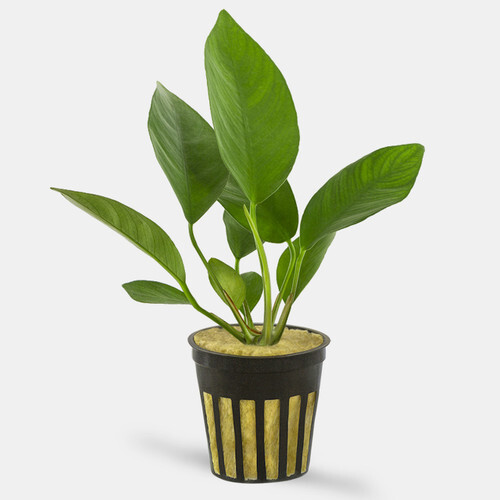
Anubias is a rhizome plant with thick, sturdy leaves that feel almost leathery. It grows by slowly extending its rhizome and producing new leaves over time, which makes it ideal for long-term layouts. Because the leaves are tough, many fish ignore it, and it holds up well in community tanks where more delicate plants get shredded or uprooted.
Care requirements (light, nutrients, CO₂, and stability)
Anubias care is refreshingly simple once you focus on the few variables that actually matter. Because it’s a slow-growing rhizome plant that pulls most of its nutrition from the water column, success isn’t about chasing “perfect” parameters—it’s about giving it reasonable light, stable conditions, and a healthy, exposed rhizome so it can breathe and grow steadily. The guidelines below break down the key inputs—light, nutrients, CO₂ not required, and overall stability—so you can keep Anubias thriving without turning your routine into a science project.
-
Light: Low to moderate
-
CO₂: Not required
-
Feeding style: Mostly water-column nutrients, very forgiving
-
Placement: Foreground to midground, shaded areas, on hardscape
-
Growth rate: Slow
Anubias does best when you avoid very intense light or overly long photoperiods, because slow growth makes it easier for algae to settle on the leaves. A basic all-in-one fertilizer can improve leaf health, but in a stocked tank it can thrive with minimal supplementation. The biggest care “rule” is simple: keep the rhizome exposed to water flow so it doesn’t rot.
How to use it in the aquarium (planting + aquascaping)
Anubias is one of the easiest plants to place beautifully because it isn’t meant to be planted in the substrate at all—it’s meant to be used like living hardscape. When you attach it to wood or nestle it into rockwork, it instantly adds a mature, natural feel, like a plant that’s been growing there for years. This also makes it incredibly practical: you can position it exactly where you want structure, contrast, and shade, while creating comfortable “edge habitat” that shrimp and more timid fish will naturally gravitate toward.
-
Attach to driftwood branches to create a mature, “riverbank epiphyte” look.
-
Tuck into rock cracks so it appears naturally anchored in the hardscape.
-
Use it to build shaded zones and hiding edges for shrimp and timid fish.
Anubias is at its best when it’s treated like a hardscape accent rather than a plant you bury in substrate. Once attached and left alone, it becomes the kind of plant that quietly makes your aquascape look more established every month.
Common problems and beginner fixes
Even though Anubias is one of the hardiest, easiest aquarium plants you can own, the few problems it does run into are usually the same predictable “beginner traps”—and the good news is they’re almost always simple to correct. Because Anubias grows slowly and relies on a healthy, exposed rhizome, small setup choices like planting technique, lighting intensity, and photoperiod matter more than constant fertilizing or complicated routines. Below are the most common issues new aquarists encounter with Anubias—and the straightforward fixes that get it back on track quickly.
-
Rhizome rot: Almost always caused by burying the rhizome—move it onto wood/rock.
-
Leaf algae: Reduce light intensity or photoperiod and place Anubias in partial shade.
-
Slow growth “worries”: Slow is normal; look for new leaves over weeks, not days.
If Anubias looks unchanged for a while, that’s usually success—not failure. Consistency beats intervention with this plant.
Anubias is the kind of plant that rewards a “hands-off” mindset, and that can feel unfamiliar if you’re used to fast-growing stems that change week to week. With Anubias, the win is that it doesn’t demand constant attention: once the rhizome is kept above the substrate, the plant is anchored to wood or rock, and the lighting is reasonable, it tends to settle in and simply endure. New leaves may arrive slowly, but they’re typically thicker, cleaner, and better adapted to your tank than anything the plant shipped with—and that gradual, steady progress is exactly what makes Anubias so valuable in a low-tech setup. It’s also a plant that quietly improves the whole aquarium ecosystem: its broad leaves create shade lines and gentle “territories” that make fish feel secure, its roots and hardscape placement give shrimp and fry places to graze and hide, and its structured look helps an aquascape feel intentional even when the rest of the tank is still maturing. In other words, if your Anubias looks mostly the same after a couple of weeks, that’s often a sign you’re doing things right—because with this plant, consistency is what produces long-term success and a layout that looks better, calmer, and more natural over time.
2) Java Fern (Microsorum pteropus: standard, narrow, trident, windelov)
Why it made the list
Java fern is a staple of “best aquarium plants for beginners” lists because it’s adaptable, tough, and doesn’t require special substrate. Like Anubias, it’s excellent for low-tech tanks and for aquariums where fish might uproot planted stems. It’s also forgiving when conditions aren’t perfect—making it a reliable “set it and forget it” plant.
What the plant is like
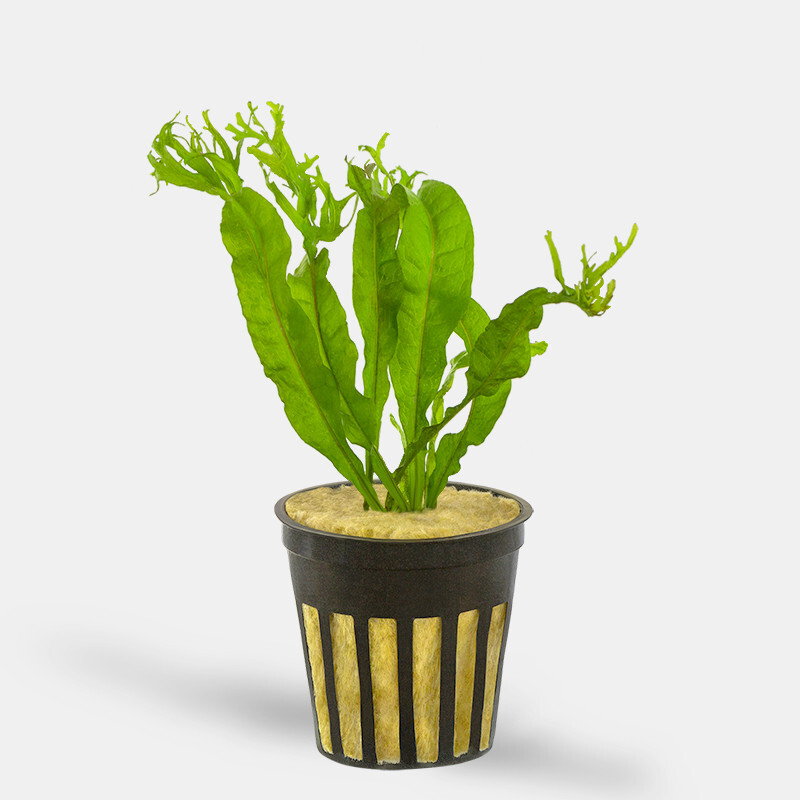
Java fern grows from a rhizome and forms arching leaves that add instant structure. Different varieties provide different textures—some are narrow and grassy, others have branching “fingers”—but care is similar. Mature leaves sometimes develop tiny plantlets, which you can detach and reuse, making it easy to propagate without special effort.
Care requirements (light, nutrients, CO₂, and stability)
Java fern is one of those plants that feels “easy” almost immediately, but it really shines when you understand what it’s asking for: steady light, gentle nutrition in the water column, and a stable spot on hardscape where the rhizome can breathe. Because it doesn’t rely on substrate to feed and it grows at a calm, manageable pace, you don’t need a complicated routine to keep it healthy—just consistent basics. The guidelines below cover the practical care variables that matter most for Java fern (light, nutrients, and overall stability), so you can get fuller growth, cleaner leaves, and a plant that looks better over time instead of slowly limping along.
-
Light: Low to moderate
-
CO₂: Not required
-
Feeding style: Water-column feeder; benefits from consistent micronutrients
-
Placement: Midground, on wood/rock, shaded-to-moderate zones
-
Growth rate: Slow to moderate
Java fern is often happiest in moderate flow where nutrients circulate across the leaves and rhizome. It can survive in very low light, but it looks best with steady, moderate lighting and occasional fertilization—especially in lightly stocked tanks. If you see pinholes or translucent patches, it’s frequently a nutrient limitation rather than a disease.
How to use it in the aquarium (planting + aquascaping)
Java fern is at its best when you treat it less like a “plant you place” and more like a design tool you build around. Because it naturally grips wood and stone and grows outward in graceful arcs, it can create instant depth, shadow, and structure—especially in the midground where many aquascapes feel empty or unfinished. In this section, the goal is to show how to use Java fern strategically: not only to make your layout look more mature and natural, but also to create shelter lines and visual breaks that fish actually use, while keeping maintenance simple and trimming minimal.
-
Attach to driftwood to create a layered “fern canopy” behind rocks.
-
Use clusters of different varieties to add texture without adding complexity.
-
Position it midground to create depth and hide equipment naturally.
Java fern shines when you let it become part of the hardscape silhouette. It’s especially effective in aquascapes where you want a planted look without constantly trimming stems or replanting tops.
Common problems and beginner fixes
Java fern is famously forgiving, but when it runs into trouble it’s usually because of a small handful of repeatable issues—most of them tied to placement and expectations rather than “bad water.” Because it’s a rhizome plant that grows steadily (not explosively), it reacts poorly to being buried, constantly relocated, or blasted with intense light while underfed. The good news is that the fixes are straightforward once you know what you’re looking at, and many “symptoms” that worry beginners—like dark spots on leaves—are often normal signs of maturation rather than a decline.
-
Rhizome buried: Causes rot; attach the plant and keep the rhizome exposed.
-
Black spots: Often normal spores or plantlets forming, not an illness.
-
Slow/no growth: Increase nutrient consistency and keep light stable (avoid big changes).
With Java fern, stability and patience are the “fertilizers” most beginners overlook. Don’t keep moving it—let it settle and it usually rewards you.
The best way to think about Java fern is that it rewards consistency more than intervention. If the rhizome stays exposed and secured to rock or wood, the plant can focus on doing what it does best: slowly building a stronger root grip, pushing out new leaves adapted to your exact tank conditions, and creating that layered, natural structure that makes an aquascape look established. It’s also worth recalibrating what “progress” looks like—Java fern doesn’t always announce itself with rapid growth, but it will show steady improvement in leaf quality and sturdiness over time when light and nutrients are stable. Once it settles, it tends to become a long-term anchor plant: something you rarely have to replace, something that tolerates the occasional missed dose, and something that continues to look better as the tank matures. In practical terms, if you avoid burying it, stop moving it around, and give it a predictable routine (reasonable photoperiod, modest fertilization, gentle flow), Java fern usually turns from “surviving” into a reliable centerpiece texture you can count on for years.
3) Amazon Sword (Echinodorus species)
Why it made the list
Amazon swords are hardy, visually impactful, and forgiving—provided you meet their one big requirement: they are heavy root feeders. Beginners often love swords because they create a strong focal point quickly and can make a tank look “planted” even if you only keep a few species. When fed properly, they’re dependable and long-lived.
What the plant is like
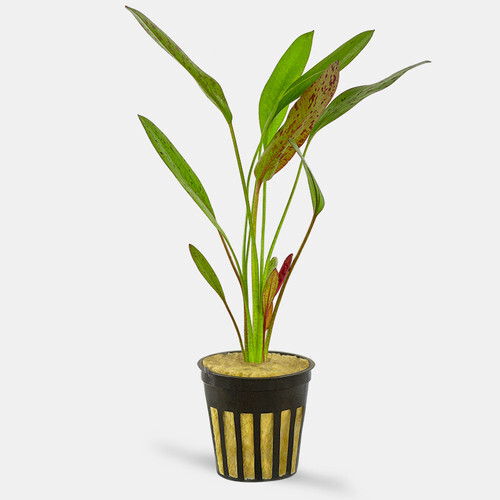
Swords are rosette plants with broad leaves that can become a centerpiece in medium and large tanks. Different Echinodorus varieties vary in size, leaf shape, and coloration, but most share the same basic growth habit: a central crown, deep roots, and a preference for nutrient-rich rooting space.
Care requirements (light, nutrients, CO₂, and stability)
Amazon swords are often labeled “easy,” but they really become truly beginner-friendly once you understand what drives their success: they’re not picky about CO₂, they’re not fragile about water parameters, and they don’t demand extreme lighting—but they do expect their nutrition to come primarily from the substrate. That’s why the care factors that matter most for swords are the practical ones: giving them enough light to fuel steady growth, keeping conditions stable while they establish roots, and—most importantly—providing consistent root-zone nutrients (usually with root tabs) so the plant can produce the large, healthy leaves it’s known for.
-
Light: Moderate (low can work, but growth slows)
-
CO₂: Not required (helps size and speed)
-
Feeding style: Strong root feeder; root tabs are often essential
-
Placement: Midground to background depending on tank size
-
Growth rate: Moderate
If you want a sword to look impressive, don’t think of it as a “water-column plant.” Feed the substrate with root tabs and give it room. In many tanks, swords fail not because conditions are harsh—but because they’re simply underfed at the roots. With steady root nutrition, they usually respond with larger, healthier leaves.
How to use it in the aquarium (planting + aquascaping)
Amazon swords aren’t just “another background plant”—they’re one of the easiest ways to create a true focal point in a planted aquarium, because they naturally read like a single dominant feature rather than a scattered patch of greenery. When you place a sword intentionally and give it room, it can function like the anchor of the entire layout: the plant that sets the scale, defines the viewing angle, and makes the rest of your hardscape and supporting plants look more purposeful. In this section, the goal is to show how to position and plant an Amazon sword so it looks like it belongs—whether you’re building a riverbank-style scene around driftwood, framing it with rocks, or using it as the “centerpiece tree” that everything else in the aquascape supports.
-
Use as a centerpiece anchor in a nature-style layout.
-
Place near driftwood to create a convincing “riverbank plant” scene.
-
Build supporting midground plants around it (crypts are a classic pairing).
A sword plant can act like a visual “tree” in your aquascape—everything else can be arranged to support it. When you design with that in mind, the tank often looks cohesive even with a relatively small plant list.
Common problems and beginner fixes
Amazon swords are hardy, but when they struggle it’s almost never a mystery—it’s usually a predictable mismatch between what the plant needs and what the tank is providing. Because swords are heavy root feeders and often transition from emersed-grown leaves to true submerged growth, beginners can mistake normal adjustment for “the plant is dying,” or they’ll try to fix the wrong variable (more light, more CO₂, constant pruning) when the real issue is simply nutrition at the roots and a little time. The troubleshooting points below focus on the most common sword problems and the practical, low-drama fixes that get them growing strongly again.
-
Yellowing older leaves / stalling: Add root tabs and consider mild micronutrients.
-
Plant outgrows the tank: Choose a smaller sword variety or relocate to a larger aquarium.
-
Leaves damaged during transition: Trim failing leaves and let new submerged growth replace them.
Swords reward consistent feeding more than constant tweaking. Treat them like a long-term centerpiece and they usually behave like one.
If you take one lesson from Amazon swords, it’s that they respond best to steady, boring consistency—especially in the substrate. A sword that’s properly planted, given space, and fed with root tabs will usually settle in and start producing new leaves that look noticeably different from the older, transitional growth: sturdier, better-shaped, and more “tank-adapted.” That’s also why swords can become such satisfying long-term plants—once they’re established, they don’t require constant replanting or weekly redesigns to look good; they simply accumulate presence. In an aquascape, that presence matters: the broad leaves create shade and shelter lines fish actually use, the plant adds a strong sense of scale, and it can turn a layout from “plants scattered around” into a scene with a clear focal point. Instead of chasing rapid changes, treat a sword like you would a centerpiece hardscape piece—set it deliberately, feed it consistently, and let it mature. When you do that, most of the common problems fade away, and the plant becomes exactly what it’s supposed to be: a durable, dramatic anchor that makes the whole aquarium feel more natural and established over time.
If Part One has a theme, it’s that the easiest plants aren’t just “plants that survive”—they’re plants that make your entire aquarium easier to run. Anubias and Java fern are the classic low-tech shortcut to a tank that looks established because they function like living hardscape: you attach them once, keep the rhizome exposed, and they slowly improve the scene with minimal upkeep. Amazon swords complement that stability from the other direction by giving you a true focal point and a sense of scale—provided you treat them like what they are: heavy root feeders that reward consistent nutrition more than constant adjustments. Together, these three cover a huge amount of what most beginners actually want: structure, greenery, shelter for fish and shrimp, and a layout that stays attractive even when life gets busy.
Just as important, these plants teach the core habits that lead to long-term planted-tank success. They train you to keep lighting reasonable instead of chasing intensity, to prioritize stable placement over constant rescapes, and to match nutrition to the plant’s feeding style rather than dosing blindly. If you can keep these three thriving, you’ll find that a lot of “planted tank problems” stop feeling like problems at all—they become predictable, manageable, and easy to correct.
In Part Two, we’ll build on this foundation with additional hardy beginner plants that fill in the gaps: faster growers that help stabilize newer tanks, background and midground spreaders that create lush density, and versatile options that let you tailor the look to your fish and your aquascape style. The goal stays the same: a planted aquarium that looks natural, supports healthy behavior, and stays enjoyable—not demanding.