


Posted by Artur Wlazlo on 11 Nov 2026
How to Prepare Plants for an Aquarium: 5 Easy Steps
Key Takeaways
- Understanding how to prepare plants for an aquarium is the key to optimal growth.
- Unbox your plants promptly and gently. Place them in a bowl of lukewarm tap water.
- Thoroughly inspect the plants for any unwanted debris.
- Trim any damaged leaves and bound or overly long roots.
- Potted plants can be removed from the pot if desired. You can also peel off the sponge or wool from the roots.
- Separate the plants into their individual specimens and plant them together based on their growth style.
Wondering how to prepare new plants for the aquarium? We’re here to help. In this guide, we’re going to explain how to introduce new plants to an aquarium in five quick steps. We’ll also address common customer concerns: melting, lighting, fertilization, growth expectations, and troubleshooting. Let’s dive in!
Our Quality Control Makes Plant Prep Easy
We want you to be happy with your aquarium plants. In order to ensure your satisfaction, we take great care to make sure that our plants are grown under optimum settings and are in superb condition when they’re collected.
Additionally, we make a great effort and devote significant time and resources to ensure that when we ship your aquarium plants, they not only look great but are also healthy and clean. In fact, when your plants are being prepared for shipment, they’re carefully inspected and thoroughly cleaned to remove any debris or unwanted hitchhikers.
Even though we take these precautions, knowing how to prepare plants for an aquarium is crucial. After all, these are live aquarium plants that are grown in a living environment. Therefore, we recommend that the following preparatory steps be taken to achieve the best results:
1. Unbox and Rinse
As soon as possible after their arrival, gently remove the plants from the packaging and place them in a bowl with lukewarm tap water.
2. Inspect for Pests and Debris
Inspect the plants for any unwanted hitchhikers such as snails. Make sure to inspect the stems, roots, and the undersides of the leaves.
3. Trim (if Necessary)
When considering how to prepare plants for an aquarium, start by checking their leaves and roots. Trim any broken or damaged leaves, shorten excessively long roots, and gently untangle tightly bound roots. You can skip this step if the leaves and roots are in good condition.
4. Remove From the Pot (if Desired)
If you purchased our potted plants, you may (but don’t have to) remove them from the pot and gently peel off the wool or sponge from the roots.
5. Plant by Species
Separate the plants into individual specimens, as appropriate for the plant type. They are now ready to be planted in your aquarium.
Naw you know how to prepare new plants for the aquarium! Explore our selection of aquarium plant fertilizers to help support their healthy growth.
Common Customer Concerns
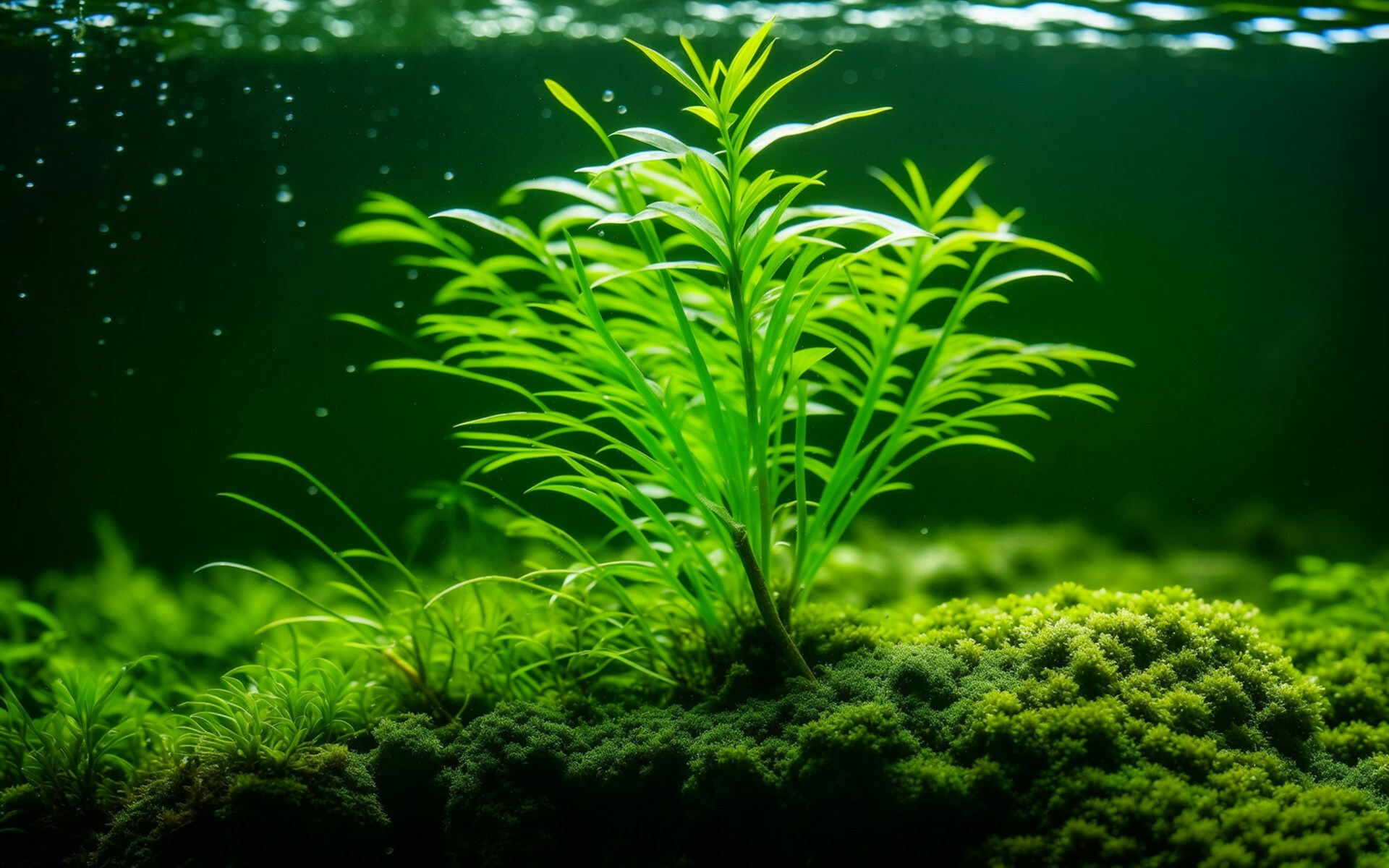
Now that we've covered the basics of how to prepare plants for an aquarium, let’s talk about some concerns or issues you might have after planting.
What do I do about plant melt?
If you notice that your plants’ leaves are shedding, turning translucent, turning mushy, or decaying during the first week or so, don’t panic! Plant melt is completely normal and often expected.
Plant melt happens because aquarium plants are often initially grown immersed (out of water) for stronger growth. When they’re submerged, they must adapt to their new underwater environment. The plant will replace its old aerial leaves with new, water-adapted leaves!
As long as your aquarium is set up properly, you can simply wait for the plants to adjust to their new home. This typically takes a few weeks.
How do I choose the right aquarium lighting for my plants?
Knowing how to prepare plants for an aquarium includes choosing the right lighting to support effective photosynthesis. Choose an aquarium light with a spectrum suitable for plant growth, and adjust intensity to meet the needs of the species in your tank.
Additionally, when choosing an LED lighting system, consider how much Photosynthetically Active Radiation (PAR) reaches your plants at the depth where they grow, as well as how evenly the light covers your tank. We recommend LEDs and PAR measurements to guide lighting choices, since the older Watts Per Gallon (WPG) rule used for fluorescent lighting does not reliably indicate how much usable light your plants receive.
Proper lighting is an essential part of preparing your aquarium for new plants. For help finding the right setup, read our guide: How to Choose Lighting for a Planted Aquarium.
What type of fertilizer do my aquarium plants need?
Knowing how to prepare plants for an aquarium also means understanding their nutrient needs. During the first one to two weeks, while your plants acclimate, fertilize conservatively and avoid excessive dosing.
There are two main types of fertilizer:
- Liquid fertilizer is added directly to the water column, allowing the plants’ leaves to easily and quickly absorb the nutrients. Liquids are typically best suited for stem and epiphyte plants, such as Anubias and Bucephalandra.
- Tab fertilizer is pushed deep into the substrate, allowing iron and minerals to be delivered steadily to the plants’ roots. Tabs are typically best suited for heavy root feeders, such as Echinodorus (swords) and Cryptocorynes.
How long will it take my aquarium plants to grow?
Understanding how to prepare plants for an aquarium doesn’t mean instant success! It’s important to have realistic expectations and recognize that it often takes time for aquatic plants to fully flourish, especially when they must adapt to a new environment.
Even after learning how to prepare new plants for the aquarium and following the proper steps, you may not see significant growth during the first three to four weeks as the plants adjust to their new environment. Here’s a general timeline of what to expect:
- Transitional Phase: During the first one to two weeks, most of the action is happening beneath the substrate. The plants use the majority of their energy to establish strong root systems.
- Establishment Phase: During weeks three and four, the plant melt usually stops, and vibrant submerged leaves begin emerging.
As you learn how to prepare plants for an aquarium, research each species’ typical growth rate and adjustment period. Some plants grow slowly, while others develop quickly, so knowing what to expect will help you recognize progress and set realistic expectations.
Troubleshooting Tips
Finally, let’s talk about a few common problems that can arise and what to do about them.
- Pale or yellow leaves may indicate a nutrient deficiency, including insufficient nitrogen or iron. Review your fertilization routine and the affected plant’s needs before adjusting dosing.
- Holes in leaves may be associated with potassium deficiency, although physical damage or grazing can also cause them. Check for these other causes before increasing potassium supplementation.
- Soft, mushy stems at the base may result from damage during planting or decay after stems are planted too deeply. Knowing how to prepare plants for an aquarium can help prevent these problems. For affected stem plants, trim away the decayed portion and replant the healthy section, removing any leaves that would otherwise be buried.
- Algae growth on leaves may result from excessive lighting or an imbalance among light, nutrients, and available CO2. Adjust the lighting as needed, gently remove algae from the leaves, and review your fertilization and maintenance routine.
These symptoms can have several causes, so assess the tank’s conditions and look for patterns before making changes.
Reach Out for Assistance
We’re always happy to help! If you have any questions about how to prepare new plants for the aquarium, feel free to call us at (917) 231-5956 for personalized guidance. Enjoy your new plants, and check our aquarium blog for more expert tips.