Using Driftwood in Your Aquarium
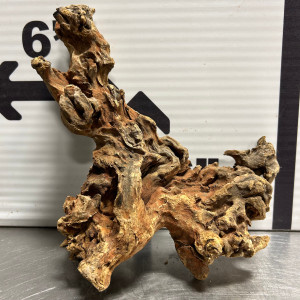
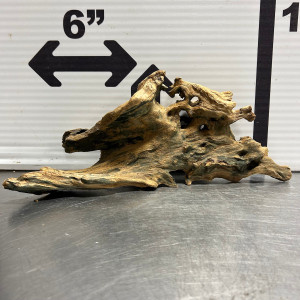
Choosing the right type of driftwood for your aquarium will vary depending on the tank’s size, compatibility with fish, and how often you can perform regular maintenance. Take a look at this breakdown of driftwood for fish tanks to make an informed choice.
Types of Aquarium Driftwood
There are many types of driftwood for fish aquariums. The types we carry in our collection include:
- Godswood: A snake-like wood that looks like several different types connected.
- Eden Tree: An aquarium wood with a stumpy base and branch-like protrusions.
- Socotra Tree: A straight stump with branches that flare out from the top.
- Windswept Tree: A curving aquarium driftwood that seems as if blown by the wind.
- Weirwood: Gnarled, this driftwood for fish tanks looks straight from Tim Burton’s mind.
- Elm Wood: This wood features a curving base with multi-colored branches.
- Stump Wood: Driftwood for fish aquariums in varying sizes that look like tree stumps.
- Blackwood: Comes from the roots of blackwood trees for a thick, gnarled appearance.
- Spider Wood: A lighter wood with thin, spindly branches that look like spider legs.
- Tiger Wood: Spindly and stumpy, tiger wood looks like a type of underwater tree.
- Dragon Wood: Features a central branch with spidery feelers, like a mini bonsai.
- Dering Wood: A stunted dark-colored stump with lighter branches reaching outward.
- Saba Wood: Brown and spindly, this wood seems almost flame-like in shape.
Installing Your Driftwood
If you’ve sourced driftwood on your own, it will need to undergo a rigorous cleaning and curing process before it’s safe to put in your aquarium. However, buying driftwood for fish tanks from an aquarium store ensures that it’s safe and makes adding it to your tank much easier. After purchasing your driftwood from Modern Aquarium, follow these steps:
- Rinse the driftwood to remove any debris from the packing and shipping process.
- Optionally, soak it in water for a few days to leech the tannins and ensure it’s waterlogged.
- Arrange the aquarium driftwood in your tank in a safe, aesthetic way.
Choosing the Right Aquarium Wood for Your Tank
The right wood for your tank aesthetically will depend on the size of your aquarium and the design you’re trying to create. If you want the wood to be the focal point, choose a larger piece that you can place in the center or just off-center in your waterscape. For accent pieces, choose smaller driftwood pieces that you can place on the perimeter or off-center from the focal point of your design.
Aquarium Driftwood vs. Aquarium Rocks
There are many types of decorations you can choose for your aquarium that serve aesthetic and functional purposes, including driftwood, rocks, and artificial decor. Many people choose driftwood and rocks because they’re natural and organic, but which is better? The question, however, is not really “wood vs. rock” but rather “what effect do I want, and what livestock am I keeping?”
Aquarium driftwood adds instant structure with arches, overhangs, and shaded pockets that make fish feel secure and give shrimp and biofilm grazers more surface area to explore. Many types of driftwood also release tannins, which can gently tint the water an amber “blackwater” color and may nudge water chemistry slightly more acidic, depending on your tank’s buffering capacity. That tannin release is normal and usually fades over time, but it can temporarily discolor the water. Driftwood may also develop a harmless white biofilm when first introduced; it typically resolves on its own or gets eaten by shrimp and certain fish.
Aquarium rocks are excellent for creating stable caves, ledges, and crisp lines, especially in layouts that rely on strong geometry or stacking. In many cases, rocks have little impact on water chemistry, but it depends on the stone: some varieties can raise pH and hardness, so it’s smart to choose rock types that match your stocking goals and to test questionable stones before adding them. Unlike driftwood, rocks won’t add tannins or tint the water, and their look tends to stay consistent from day one.
In our experience, most great aquascapes use both wood for flow, height, and “rooty” naturalism and rock for structure, negative space, and durable shelter. Whichever you choose, plan for a little upkeep. Algae may need to be brushed off, and new hardscape often benefits from a rinse/soak (and proper placement) so it stays safe, stable, and beautiful long-term.
Driftwood Comparison Chart
Here, we’ll compare a few of the most popular types of aquarium driftwood to help you decide whether they’re right for you.
| Type of Wood |
Hardness |
Appearance |
Compatiblity |
| Blackwood |
Hardwood
High Density |
Dark Color
Thick Timbers
Sourced From Roots |
Contrasts with lighter-colored plants and substrate. Great habitat for fish. |
| Mangrove Wood |
Tropical Hardwood
High Density |
Reddish Color
Interwoven Trees
High Impact
Finished Design
Statement Piece |
Sophisticated design that pairs well with all aquarium plants and fish. |
| Spider Wood |
Soft Aquarium Wood
Lightweight |
Light Wood
Spindly Branches
Spider-Like |
Has lots of surface area for beneficial bacteria and biofilm. Ideal for small fish and shrimp. Some fish will try to eat this type of wood. |
| Tiger Wood |
Hardwood
High Janka Rating |
Medium Pale Wood
Branch-Like
Intricate |
Provides habitat for fish and shrimp, as well as promotes beneficial bacteria growth. |
| Saba Wood |
Hardwood
High Density |
Medium to Dark Color
Flame-Like Branches
Sense of Movement |
Can release tannins to balance pH levels, but it can temporarily discolor the water. Offers habitat for fish and shrimp. |