


Aquarium Algae Control: How to Prevent & Control Algae in a Planted Aquarium
Posted by Artur Wlazlo on 27 Jan 2026
Key Takeaways
- There are five main types of algae that may infest your tank, including green water, blue-green, brush, hair, and brown algae.
- The best ways to prevent algae growth in the first place range from frequent water changes, nutrient management, and light control to introducing live plants and algae-eating snails.
- Preventative care is the best way to manage algae growth in your aquarium, and frequent monitoring is necessary to determine what your aquarium needs.
Aquarium Algae Control
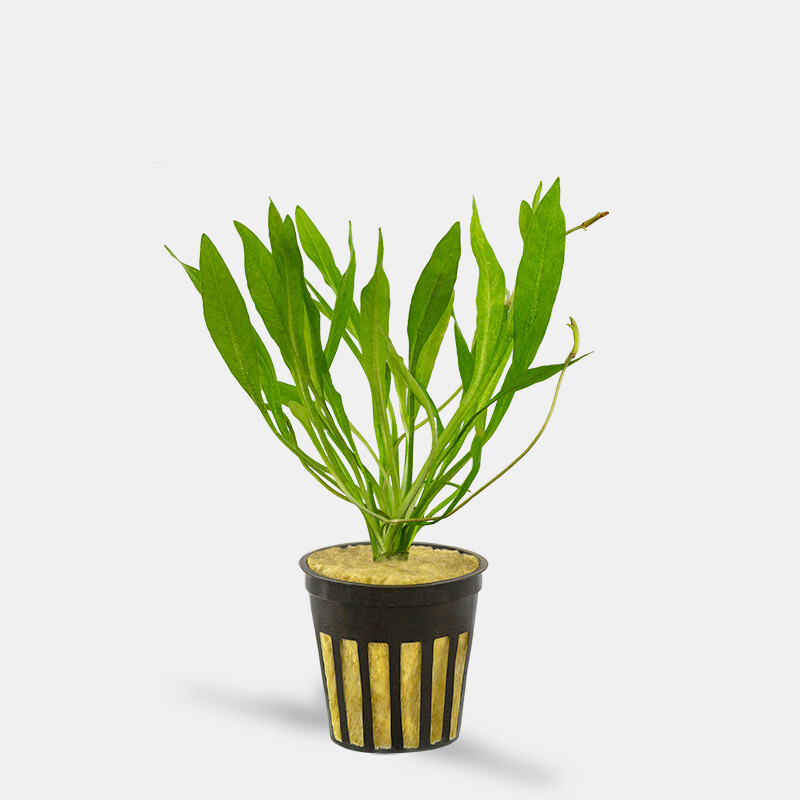
Algae is the dreaded word for any aquarium, but certainly for an aquarium with live aquarium plants. Algae can be both unsightly and harmful to live aquarium plants and even fish. Algae can cover tank decorations and equipment, and seriously inhibit plant growth and development. Since it may be impossible to completely eliminate all algae from the aquarium, aquarists should strive to control it or minimize its presence.
Learn more about aquarium algae control and how to prevent algae in your fish tank with this blog from our experts.
How Does Algae Get in Your Tank?
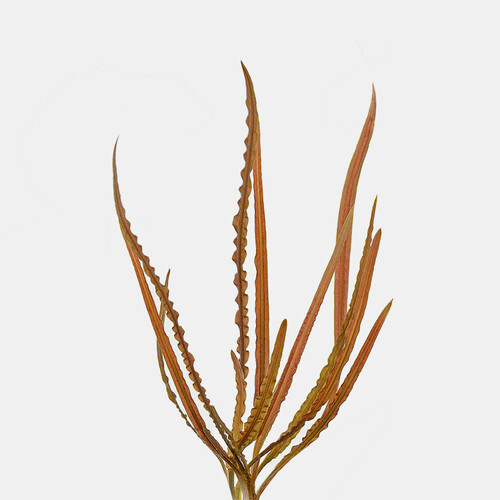
In a well-maintained aquarium, serious algal blooms are unlikely to occur. Generally, algae appear in large quantities when there is some kind of imbalance in the aquarium environment. For example, there might be too many nutrients or the lighting is just too intense. Poor water quality is usually the main culprit of algae.
Fortunately, there are ways to master aquarium algae control, especially with frequent water testing and other environmental monitoring. The most important thing to control tank algae is understanding the types of algae you can expect in your aquarium. Take a look at the most common types of algae here to learn how to control algae in an aquarium.
Common Types of Aquarium Algae
For complete aquarium algae control, you must learn about the top types of algae and guard against them. The five most common types include:
- Green Water Algae
- Blue-Green Algae
- Brush Algae
- Hair or Filamentous Algae
- Brown or Diatomaceous algae
Green Water Algae
Green water algae refers to single-celled algae floating in aquarium water. The cells are very small and cannot be filtered out by conventional canister, hang-on, or sponge aquarium filters. However, some diatomaceous filters do have systems that can filter small media to capture even this single-celled algae.
This type of algae is caused by an overabundance of nutrients from organic waste and the presence of an intense light source, such as sunlight or a strong light fixture. When striving for aquarium algae control with green water, we recommend:
- Large water changes
- Lowering the intensity of the light
- Shortening the time during which the lights are on
- Putting the tank on total blackout
Most importantly, to prevent algae reoccurrence, you should reduce organic waste by limiting fish food and cleaning your aquarium filter regularly.
Blue-Green Algae
Actually, while commonly referred to as algae, this is, in fact, a cyanobacterium. What causes this algal or bacterial bloom is not entirely understood, but it is usually present in aquariums with excessive nutrients, poor water quality, or a lack of regular water changes.
Blue-green algae is easily identifiable because it looks like a thin, dark green blanket covering plants, decorations, substrate, or tank equipment. It also has a distinctive odor. You can introduce tank algae control by siphoning it out. However, this type of algae tends to return as quickly as it is removed. No fish or snails will consume it as it is toxic as a food source. Instead, effective treatment includes:
- Water changes
- Substrate cleaning
- Bacterial medication, such as erythromycin
This type of aquarium algae control isn’t very difficult as long as you maintain good water quality.
Brush Algae
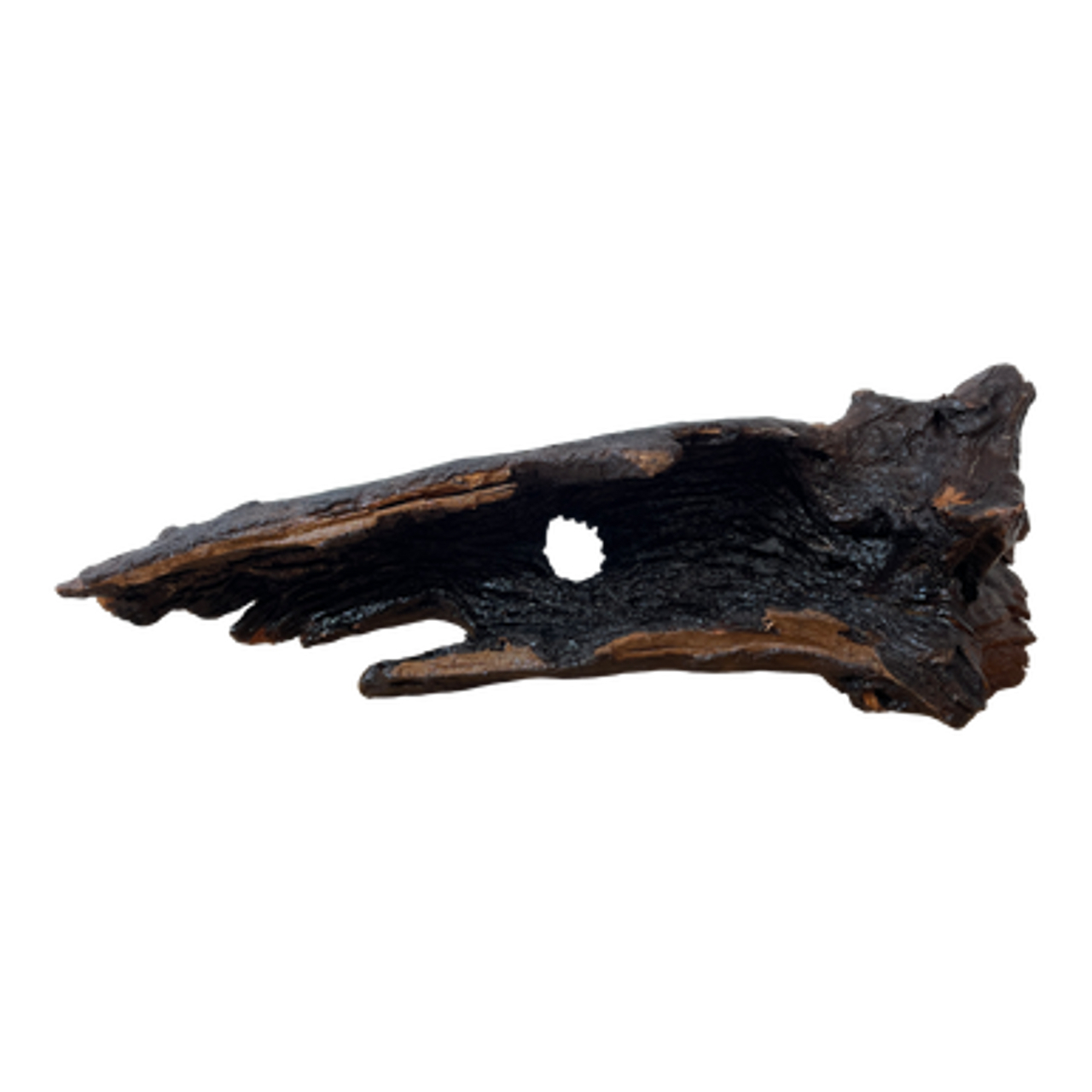
At first, this algae appears as small fur-like tufts. But it can grow quite long, up to one to two inches if left to thrive. Brush algae often grows on driftwood, but may also cover plants and aquarium decorations. The causes of this algae are not entirely understood, but they likely include poor water quality and excess nutrients.
Once established, brush algae is difficult to eradicate. It is even more difficult, or nearly impossible, to physically remove brush algae from whatever it grows on without removing the affected items and scrubbing the algae off them. Even then, the task is difficult, as this algae tends to be securely affixed to the items it grows on. Follow these steps for the best aquarium algae control method in cases of brush algae:
- Remove the affected items from the tank
- Spray hydrogen peroxide directly on the algae
- Wait until the algae dies and scrub it off the items
- Place the items back in the aquarium
- Introduce the Siamese algae eater fish to consume this type of algae
How to prevent algae in fish tanks in the future means frequent water monitoring and maintenance.
Hair or Filamentous Algae

As the name aptly suggests, this algae looks like thin strands of hair. If your tank algae control is deficient, this algae can grow pretty fast, covering aquarium plants and decorations. Some of the most common problems that encourage algae growth include strong light and excess nutrients from organic waste.
You can implement aquarium algae control and prevent its spread by:
- Making regular water changes
- Limiting excessive nutrients by feeding your fish less
- Cleaning dirty substrate
- Cleaning aquarium filters frequently
Brown or Diatomaceous Algae
Brown algae appear as a light brown coating on aquarium glass, decorations, or plants. It typically appears in new tanks and may clear on its own after the tank has cycled. Sometimes, however, it may be more stubborn and appear more regularly, especially when your water source is rich in silicate. High levels of silicates are thought to cause diatomaceous or brown algae.
The really good news for aquarium algae control is that this algae usually disappears when aquarium plants establish themselves and outcompete it for nutrients. Also, algae-eating fish and snails, like mystery snails or nerite snails, love eating it and are among the best options for how to control algae in your aquarium.
Protecting Your Aquarium
Algae is usually considered a nuisance in aquariums. And, to be sure, some forms of algae can be quite problematic and unsightly in planted or fish-only aquariums. But, most algae can be diminished through tank algae control best practices, like making regular water changes, keeping nutrients in balance by not overfeeding your fish, and regularly cleaning your filters.
Adding live aquarium plants is also a great option for how to control algae in an aquarium, as plants will outcompete algae for nutrients and will consume organic waste. Lastly, don't forget that algae-eating fish and snails, including tiger nerite snails and mystery snails, are great weapons in your algae control arsenal.
Now that you know a bit more about the different types of algae, how to prevent algae in fish tanks, and what aquarium algae control maintenance you must do on a regular basis, your tank is more likely to thrive. Find all the algae-control tools you need at Modern Aquarium!