

Sword plants are rosette-type plants that are incredibly popular among experienced and novice aquarium hobbyists. They generally range from pale to dark green with many different types of leaves and patterns, including lance-shaped leaves that have pointed tips, oval leaves with marbling or spots, leaves on long stems, or rosette-style leaves. When well cared for, some of these aquarium plants can reach about 20 inches tall. The sword aquarium plant is an amphibious plant that can grow both partially and fully submerged. Explore our selection today!


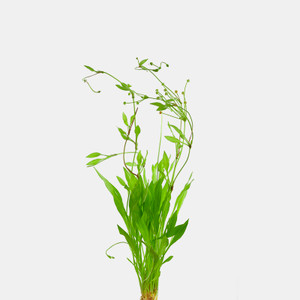


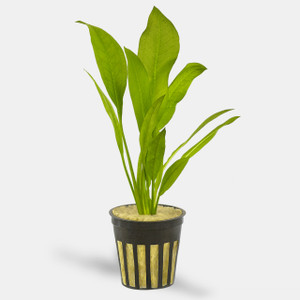


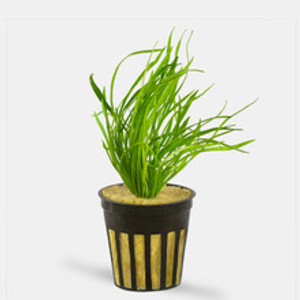
For most sword plants, requirements include:
You can also introduce root tabs that dissolve over time to revitalize old substrate and ensure stable nutrient intake. We recommend pruning old sword leaves to keep your aquarium free of debris and waste.
Yes! Swords are an amazing choice for beginner hobbyists for many reasons, including:
Swords don't require CO2 infusions to thrive, but this nutrient can boost plant growth. If you want faster-growing plants with larger and more vibrant leaves, you can introduce a CO2 setup into your aquarium. CO2 is an optional enhancement that's less important than nutrient-rich substrate and root tabs.
Sword plants (Amazon swords/Echinodorus) are compatible with most peaceful community fish. If you want to keep live plants in your aquarium, we recommend avoiding herbivorous fish species. The best fish to share a tank with swords include:
Most sword plants grow at a moderate pace, adding new leaves steadily over several weeks rather than overnight. Growth speeds up with strong lighting, a nutrient-rich substrate, and optional CO2, while low light slows it down. Once established, wide varieties send out runners and baby plants that you can separate and replant.
Yes. Sword plants pair well with shrimp and most peaceful community fish. Shrimp graze harmlessly on the leaves and the biofilm that forms on them, and the broad foliage gives both shrimp and fish places to hide. Just avoid plant-eating species that tend to nibble soft leaves.
It depends on the variety. A large Amazon Sword can spread 12 inches or more across and is best given room at the back of the tank, while compact and carpeting types need only a few inches. As a general rule, leave enough space for the rosette to fan out without crowding neighboring plants.
Absolutely. Sword plants make an excellent backbone for a planted tank and combine well with foreground carpets, midground crypts, and taller background stems. Because they feed primarily through their roots, they rarely compete with stem plants for water-column nutrients, making them easy to integrate into almost any healthy, well-monitored aquascape.