


Best Fish for Planted Aquariums: Tetras, Discus, Angelfish, Rainbowfish & More
Posted by Artur M. Wlazlo on 1 Jan 2026
One of the most common questions aquarists ask is whether aquarium plants and fish really “go together,” and if so, which fish are safe choices. The resounding answer is yes—and in practice, almost any fish you’d find in the aquarium hobby can live in a planted aquarium.
Plants aren’t fragile decorations that only work in specialty setups. In most tanks, they’re a functional upgrade: they give fish cover and calmer “lines of sight,” create natural foraging zones, provide surfaces for eggs and biofilm, and help stabilize water quality by consuming nutrients that would otherwise feed algae. A planted aquarium also just feels more alive—more movement, more texture, and more behavior to watch—because fish interact with plants constantly.
The trick isn’t finding “the one correct” plant for “the one correct” fish. The trick is understanding the few ways fish and plants can clash—and then choosing plants (or planting methods) that make those clashes irrelevant.
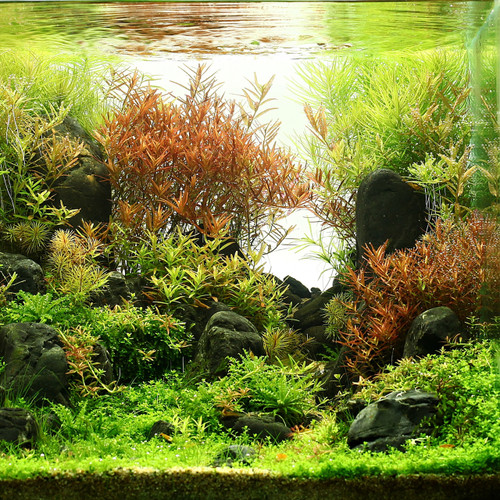
A simple truth: planted tanks match nature—so fish usually love them
In the wild, most freshwater fish aren’t cruising around sterile, bare-bottom boxes. They’re moving through stems, roots, leaf litter, marginal plants, and submerged grasses. Even in habitats that aren’t dense jungles, fish still use structure—anything that breaks up open water, provides shade, and offers cover from perceived threats.
That’s why planted aquariums tend to produce fish that behave more naturally: schooling fish school tighter, shy fish become visible, territorial fish establish calmer boundaries, and breeders find places to spawn.
The only real “compatibility issues” (and why they’re solvable)
There are two main reasons people think fish and plants don’t mix:
-
Some fish dig and uproot plants (or redecorate the substrate).
-
Some fish nibble, shred, or eat softer plant leaves.
Neither one means you can’t have plants. It just means you choose the right type of plants and the right way to use them—attached epiphytes, tougher leaves, faster-growing stems, or rooted plants protected by hardscape.
With that in mind, here are real-world examples that show how well fish and plants pair—across totally different styles of aquariums.
Small schooling fish: tetras and planted tanks are a perfect match
If there’s a “classic” planted aquarium fish category, it’s the tetra world—cardinal tetras, rummy nose tetras, ember tetras, neon tetras, and many others. These fish look their best when they have greenery behind them and around them. Plants soften the lighting, reduce stress, and give a school a sense of security—so they stay out more, color up better, and move as a group instead of scattering.
Stem plants are especially fun with tetras because they create that dense, vertical habitat that makes nano fish feel safe. Something like cabomba or hornwort (and other feathery stem types) gives a light, “cloud-like” background that turns a plain school into a living scene. That said, the honest truth is: nano fish are great in almost any planted setting—from a minimalist layout with a few crypts to a full jungle of stems.

If you want a tank that looks “grown-in” quickly, stems + tetras is one of the easiest combinations in the hobby.
Rainbowfish: movement, color, and Vallisneria that doubles as a spawning zone
Rainbowfish bring constant motion and shimmer—especially when they’re comfortable and displaying. They also pair beautifully with long, grassy plants like Vallisneria. Vallisneria creates tall ribbons that sway with the current, giving rainbows a habitat that looks and feels natural.
Even better, Vallisneria can function as a “behavior plant.” Rainbows often use plant thickets as places to chase, display, and (in many setups) scatter eggs and spawn. Whether you’re intentionally breeding or just enjoying the natural behavior, that planted grassline turns the tank into something you can watch for hours.
If you want a planted aquarium that feels energetic rather than serene, rainbowfish + Vallisneria is a strong, reliable combo.
Angelfish and Discus: broad-leaf plants that feel made for them
For larger, graceful South American cichlids like angelfish and discus, the best plant pairing is often the simplest: broad, sturdy leaves that match their scale.
That’s why Amazon swords (Echinodorus) are such a natural fit. Swords create big, stable leaves that anchor the aquascape visually, and fish actually use them. Angelfish and discus commonly choose broad leaves as “staging areas”—places to hover, rest, and sometimes even lay eggs on a firm, clean surface. Even when breeding isn’t the goal, swords give these fish structure that makes them feel secure without cluttering the swimming space.
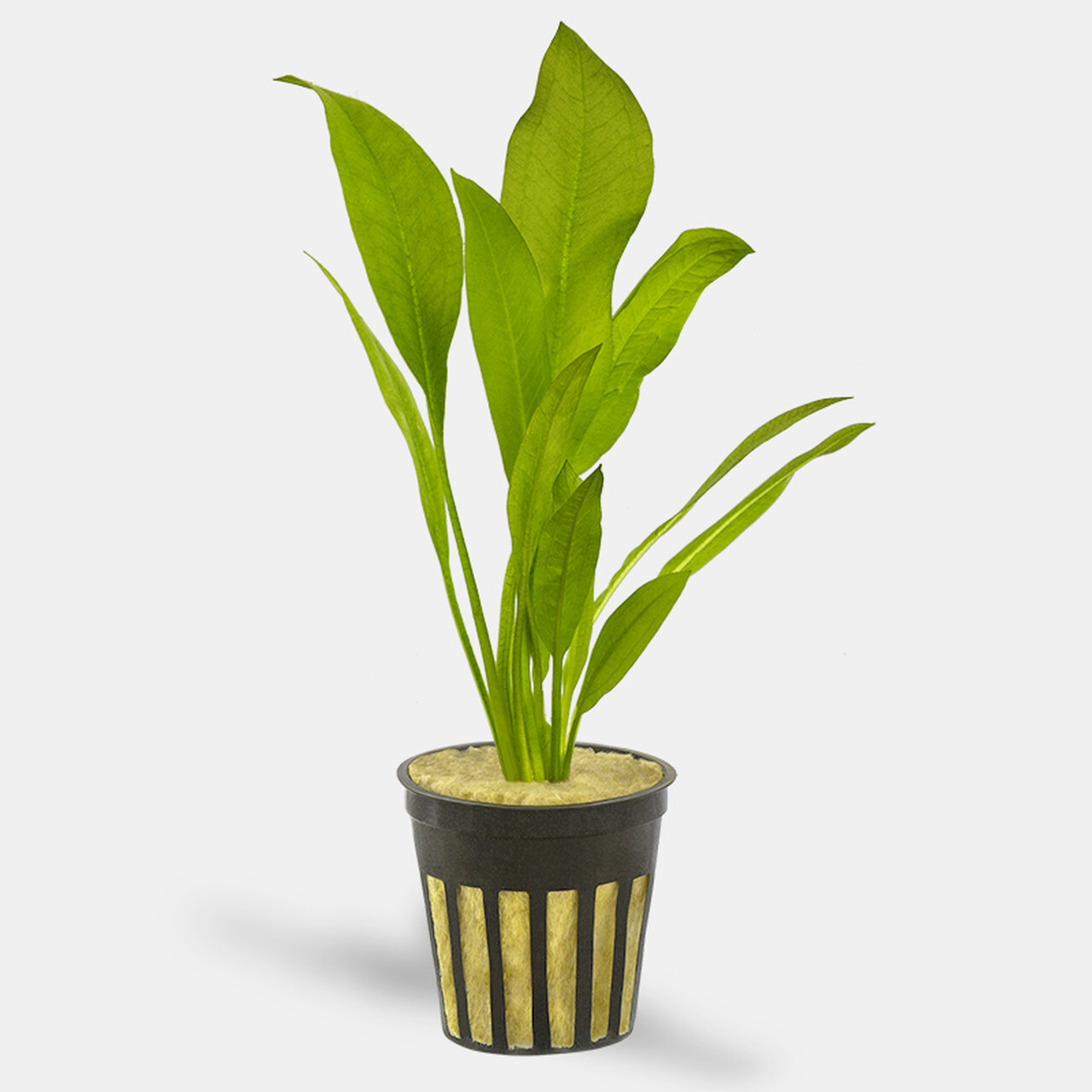
It’s one of those pairings that doesn’t just look right—it behaves right.
“Boisterous” fish and cichlids that dig: plants still work (you just pick the right type)
South American cichlids that like to dig, bulldoze, or “interior design” can be rough on delicate root systems. African cichlids can be even harder on plants in many setups because of their constant activity and tendency to mouth or test objects.
This is where epiphytes shine—plants that don’t need to be planted in the substrate at all. Anubias, Java fern, and Bucephalandra can be attached to rocks and driftwood, which means digging becomes irrelevant. Their leaves are also tougher than many classic stem plants, so they hold up well when fish get curious.
In tanks where rooted plants would be constantly uprooted, epiphytes let you keep the “green” without fighting your fish. You can build a layout of stone and wood first, attach plants, and end up with a planted aquarium that stays planted.
(And if you want to make this look especially natural, combining epiphytes with dramatic hardscape—like Tiger Wood, Stump Wood, Saba Wood, Blackwood, or Driftwood on Slate—creates the kind of structure cichlids love and the kind of aquascape planted-tank keepers want.)
Corydoras catfish: plants make the bottom of the tank come alive
Cory cats are plant-friendly by nature. They’re not trying to destroy leaves; they’re just busy. In a planted aquarium, they benefit from shaded areas, gentle structure, and “edges” where food collects.
This is where Cryptocoryne (crypts) are a great match. Crypts create low-to-mid-height foliage with natural-looking clumps and pockets—perfect for corydoras to weave through. Add botanicals or leaf litter styling and you get a bottom zone that looks like a real stream edge, which is exactly the kind of environment where cory behavior shines.
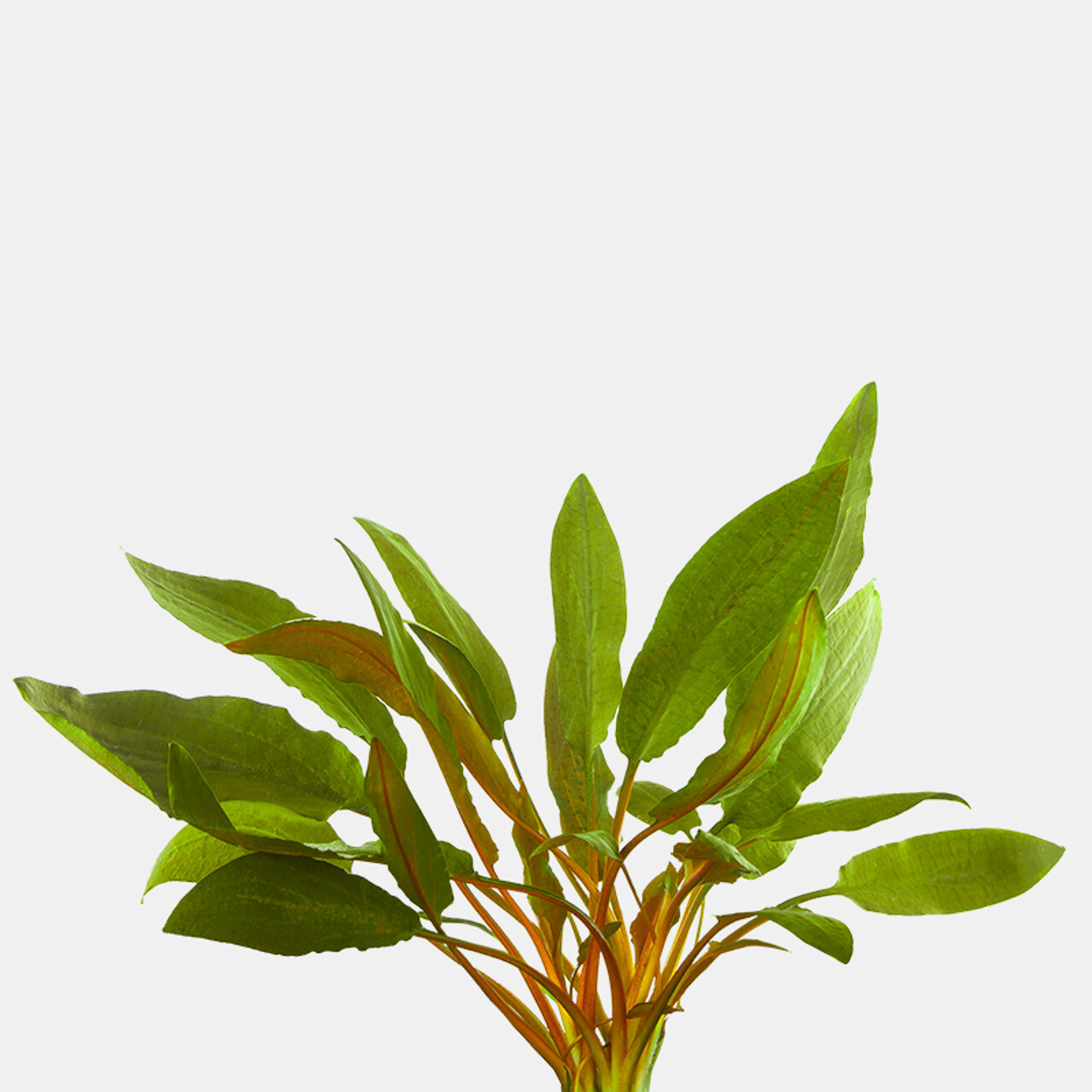
Plants don’t just coexist with bottom-dwellers—they turn the lower third of the tank into a habitat instead of empty floor space.
A quick compatibility mindset that works for almost every tank
If you’re ever unsure whether a fish “works” with plants, don’t overthink it. Ask three simple questions:
-
Will the fish eat plants on purpose? (If yes, choose tougher plants or fast growers and accept some nibbling.)
-
Will the fish dig constantly? (If yes, use epiphytes attached to rock/wood, or protect rooted plants with hardscape.)
-
Does the fish get stressed in open water? (If yes, plants will usually help dramatically.)
Most of the time, you’ll realize the “problem” isn’t plants—it’s using the wrong planting method for the fish’s personality.
Plants help the whole tank, not just the fish
It’s worth saying plainly: plants aren’t a replacement for filtration, but they are powerful partners for it. In a healthy aquarium, beneficial bacteria convert toxic ammonia into nitrite and then nitrate; plants can then consume nitrogen compounds (especially nitrate, and in many cases ammonium/ammonia in small amounts) as they grow. They also compete with algae for nutrients, soften flow, reduce glare, and create microhabitats where fry, shrimp, and timid fish can feed and hide.
So when you put fish and plants together, you’re not just adding décor—you’re adding stability.
The bottom line: there’s almost no fish–plant combo that can’t work
A planted aquarium isn’t a niche style. It’s a flexible, natural framework that can be adapted to almost any fish you love—tetras, rainbowfish, angelfish, discus, cory cats, and even many cichlids. The goal isn’t perfection. The goal is an aquarium where fish behave naturally, the tank feels balanced, and the whole setup looks better month after month.
If you build with that mindset, you’ll find that fish and plants don’t just “go together.” They make each other better.