

Posted by Artur M. Wlazlo on 14 Jun 2026
Can You Mix Artificial Aquarium Plants with Live Plants? Absolutely — Here’s How to Create a Beautiful Hybrid Aquascape
For many aquarium hobbyists, the dream tank is lush, balanced, colorful, and natural-looking. Live aquarium plants are often the first thing people think of when building that kind of aquascape, and for good reason. They add movement, texture, shelter, and a sense of life that can completely transform a freshwater aquarium.
But here is something more aquarists should feel comfortable saying: artificial aquarium plants can also have a place in a beautiful, thoughtfully designed aquascape.
In fact, combining live aquarium plants with realistic plastic or silk aquarium plants can be one of the easiest ways to create a full, polished, low-maintenance layout. A mixed aquascape can give you the best of both worlds: the natural benefits of live plants and the instant color, height, and structure of artificial plants. When placed carefully alongside aquarium rocks, driftwood, and natural-looking décor, artificial plants can blend into the design so well that the finished aquarium feels cohesive, balanced, and breathtaking.
Why Some Aquarists Hesitate to Use Artificial Aquarium Plants
Some hobbyists worry that using artificial plants makes an aquarium less “authentic.” Others may feel that a planted tank must be 100% live plants to be considered attractive or well-designed. But aquascaping is not about following one rigid rule. It is about creating a healthy, beautiful environment that works for your fish, your maintenance routine, your lighting, your budget, and your personal style.
There is nothing wrong with using artificial aquarium plants in a freshwater tank. When chosen well and placed thoughtfully, they can enhance the layout rather than take away from it. Modern artificial plants are much more realistic than many older decorations. Many are designed with natural colors, soft movement, and flexible leaves that look especially convincing once they are surrounded by live plants, rocks, and driftwood.
A successful aquascape is not defined by whether every leaf is alive. It is defined by balance, proportion, depth, color, and how well the overall design supports the fish and the aquarium environment.
The Benefits of Combining Live and Artificial Aquarium Plants
A hybrid aquascape can be especially useful for aquarists who want a lush look without making the tank overly demanding. Live plants bring natural beauty and biological benefits, while artificial plants provide reliable structure and visual fullness from day one.
Live aquarium plants such as Anubias, Java Fern, Amazon Sword, Cryptocoryne, Vallisneria, Java Moss, and many foreground plants can help soften the aquascape and create a more organic appearance. They can be attached to driftwood, tucked around rocks, planted in the substrate, or used to create natural transition zones between hardscape and open swimming space.
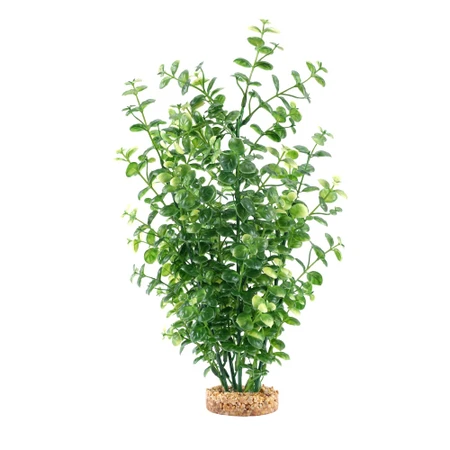
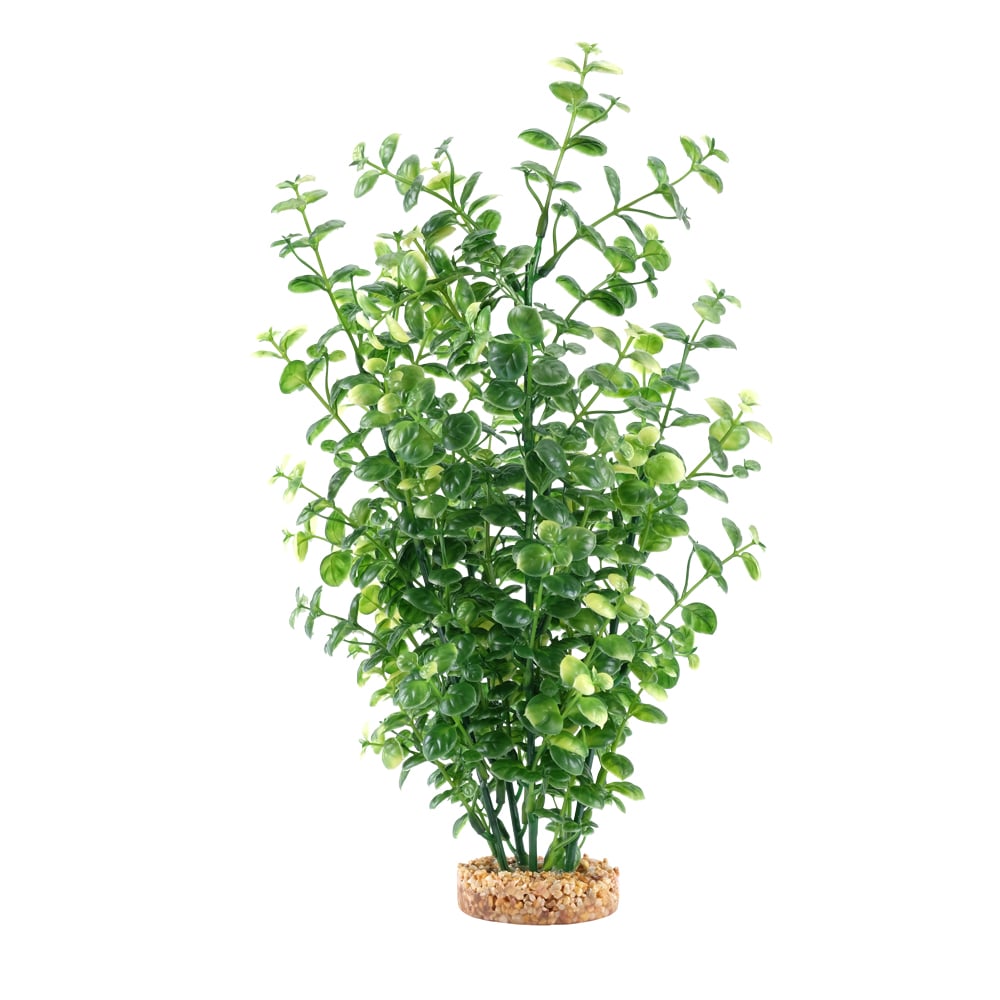
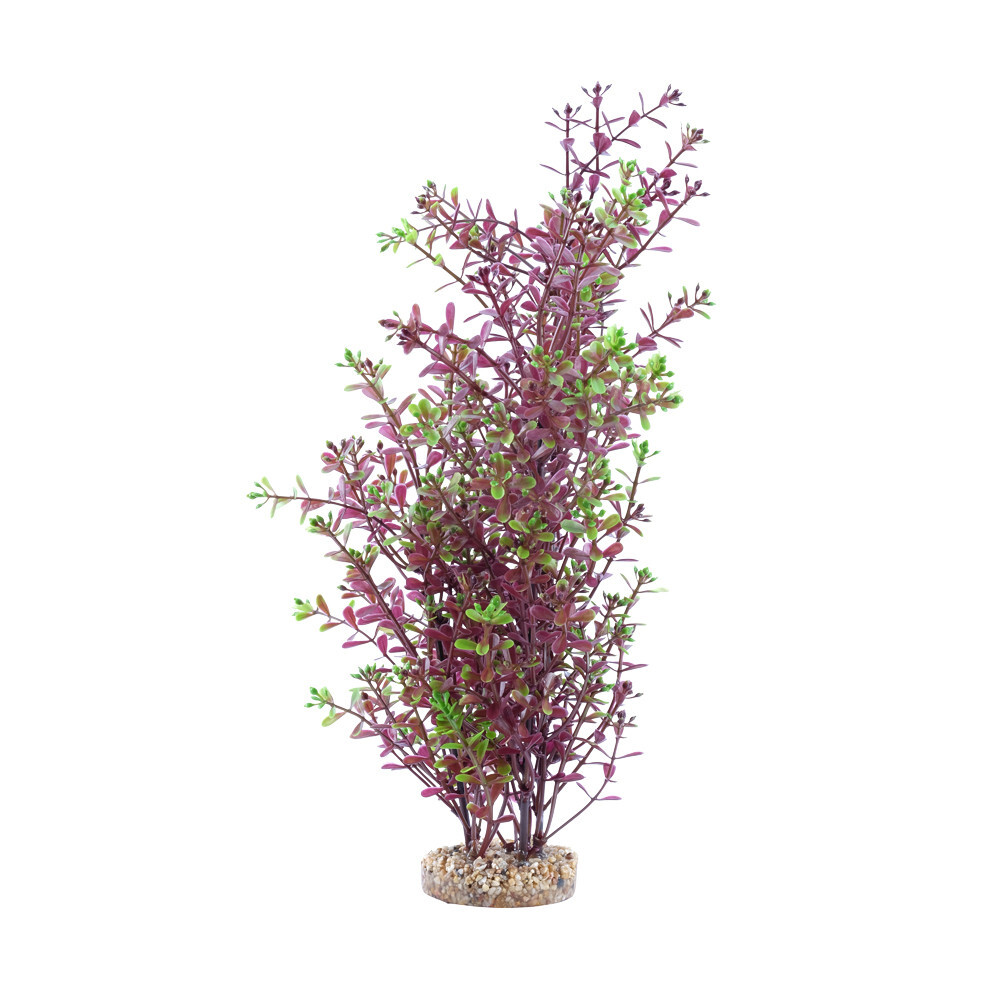
Artificial plants, on the other hand, are ideal for areas where live plants may struggle. They can be used in shaded corners, high-flow zones, tanks with plant-nipping fish, or layouts where you want a specific color or height that stays consistent over time. For example, Fluval Aqualife artificial plants such as Red Bacopa, Green Bacopa, Red Ludwigia, Red Rotala, Red/Green Cabomba, and Red Wisteria Mix can add instant fullness and color while requiring no pruning, trimming, fertilizers, or special lighting.
Used together, live and artificial plants can create an aquarium that looks mature much sooner than a fully planted tank. Instead of waiting weeks or months for background plants to grow in, you can use artificial plants to establish the main visual structure immediately, then let the live plants gradually fill in and soften the aquascape.
Artificial Plants Can Make Aquascaping Easier
One of the biggest advantages of artificial aquarium plants is predictability. A live plant may grow taller than expected, melt during transition, lose leaves, or need different light and nutrient levels than the rest of the tank. That is part of the joy of planted aquariums, but it can also be frustrating for beginners or busy hobbyists.
Artificial plants stay where you place them and keep their shape. This makes them useful for building structure in the background, covering equipment, filling empty corners, or creating a visual focal point. If your tank needs height behind a piece of driftwood or a splash of red near a rock formation, an artificial plant can provide that look instantly.
This is especially helpful in low-tech aquariums where lighting is moderate, CO₂ is not being used, or the aquarist wants to avoid a demanding maintenance routine. A hybrid setup lets you enjoy hardy live plants while using artificial plants to complete the design.
How to Make Live and Artificial Plants Look Natural Together
The key to a beautiful mixed aquascape is placement. Artificial plants look best when they are not simply lined up in a row or placed randomly. Instead, treat them the same way you would treat live plants in an aquascape: group them by height, texture, color, and purpose.
Place taller artificial plants in the background or behind hardscape. Use mid-height artificial plants around driftwood or rocks to create depth. Then use live plants in the foreground and midground to soften the edges. Hardy plants like Anubias and Java Fern are excellent for this because they can be attached to aquarium driftwood or wedged gently into rockwork without burying the rhizome.
For example, you could place Fluval Aqualife Red Ludwigia or Red Rotala in the back corner for color, then use live Anubias Nana or Java Fern around a piece of Tiger Wood or Blackwood to create a natural transition. In another layout, you could use Green Bacopa or Red/Green Cabomba behind Seiryu Stone, then plant Cryptocoryne, Amazon Sword, or foreground plants in front to make the entire arrangement feel connected.
The goal is to avoid making the artificial plants look isolated. Surround them with natural textures such as Seiryu Stone, Dragon Stone, Tiger Wood, Stump Wood, Saba Wood, Blackwood, or Driftwood on Slate. Once the base of the artificial plant is hidden behind rocks, wood, live plants, or substrate, the entire aquascape looks more realistic and intentional.
Use Rocks and Driftwood to Tie the Aquascape Together
Aquarium rocks and driftwood are the bridge between live and artificial plants. Hardscape gives the tank structure and makes the plant arrangement feel like a natural underwater scene rather than a collection of separate decorations.
Seiryu Stone is excellent for creating dramatic lines, mountain-style layouts, and strong contrast against green plants. Its gray tones and textured surfaces pair well with both live plants and artificial red or green accent plants. When combined with carpeting plants, mosses, or small Anubias, Seiryu Stone can help create a planted aquascape that feels layered and refined.
Driftwood adds warmth and movement. Tiger Wood can create a root-like focal point, while Blackwood, Stump Wood, Saba Wood, and Driftwood on Slate can help build natural hiding areas and vertical structure. Live plants like Java Fern, Anubias, and Java Moss look especially good attached to driftwood, while artificial plants can be placed behind or around the wood to create background density.
A good design trick is to let the hardscape determine the plant placement. Place the largest rocks or driftwood first, then use artificial plants for height and fullness, and finally add live plants to soften the layout. This creates a more natural flow and prevents the tank from looking overcrowded.
Great Live and Artificial Plant Pairings to Consider
A mixed aquascape works best when each plant has a purpose. Some plants should create height. Others should add texture, color, movement, or foreground detail.
For a beginner-friendly natural layout, try pairing live Anubias, Java Fern, and Cryptocoryne with artificial Green Bacopa or Red/Green Cabomba. This creates a lush but manageable aquarium with a natural green foundation and easy background fullness.
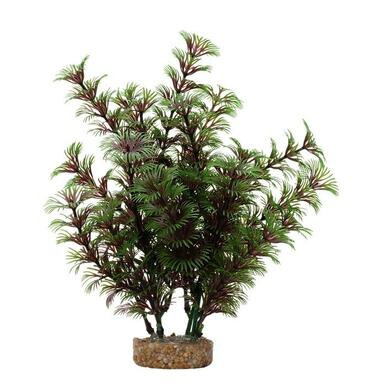
For a colorful accent layout, use live Java Fern, Anubias, Amazon Sword, or Vallisneria with artificial Red Ludwigia, Red Rotala, or Red Bacopa. The red tones add contrast without requiring the stronger lighting, nutrients, or CO₂ that many red live plants often need to show their best color.
For a hardscape-focused aquascape, combine Seiryu Stone or Dragon Stone with live mosses, Anubias, and small foreground plants. Then add artificial background plants behind the rockwork to create depth and make the layout look mature right away.
For a driftwood-centered aquarium, use Tiger Wood, Blackwood, Stump Wood, Saba Wood, or Driftwood on Slate as the centerpiece. Attach live Java Fern or Anubias to the wood, then use artificial plants in the background to fill open space and frame the focal point.
Artificial Plants Are Also Helpful for Fish
Artificial plants are not just decorative. They can also help create a more comfortable aquarium environment. Many fish appreciate planted areas where they can explore, rest, hide, or break lines of sight from more active tankmates. This is especially useful in community aquariums, breeding setups, or tanks with shy species.
Live plants provide natural cover, but artificial plants can add dependable shelter in places where live plants may not grow well. A dense artificial background plant can help nervous fish feel more secure, while live plants in the front and midground help maintain a softer, more natural look.
The result is an aquarium that is attractive for the aquarist and comfortable for the fish.
A Hybrid Aquascape Can Be Perfect for Beginners
For new aquarists, a fully planted aquarium can sometimes feel intimidating. Lighting, fertilizers, substrates, algae control, plant trimming, and CO₂ can all seem like a lot to manage at once. A hybrid aquascape makes the process easier.
Start with hardy live plants such as Anubias, Java Fern, Amazon Sword, Java Moss, and Cryptocoryne. These plants are popular because they are adaptable and beginner-friendly. Then use artificial plants to fill the background, add color, or create the full planted look you want while your live plants settle in.
Over time, you can add more live plants if you want. Or you can keep the hybrid style permanently. Either choice is completely acceptable. The best aquarium is the one that you enjoy maintaining and that your fish can thrive in.
Shop Live Plants, Artificial Plants, Rocks, and Driftwood at Modern Aquarium
At Modern Aquarium, you can build your entire aquascape in one place. Choose from a wide selection of live aquarium plants, including beginner plants, foreground plants, background plants, potted plants, mosses, and plant packages. Then complete the look with realistic artificial aquarium plants, aquascaping rocks, driftwood, substrate, fertilizers, lighting, CO₂ equipment, and aquarium tools.
Whether you want a fully planted aquarium, a low-maintenance artificial plant layout, or a beautiful hybrid aquascape that combines both, Modern Aquarium makes it easy to find the right pieces for your tank. Live plants are carefully handled and shipped with their health in mind, while artificial plants and hardscape décor can help you create instant structure, color, and depth.
Bottom Line: Mixing Live and Artificial Aquarium Plants Is Not Cheating
Using artificial aquarium plants with live plants is not a shortcut to be embarrassed about. It is a smart, practical, and creative aquascaping choice.
A well-designed hybrid aquarium can look lush, natural, colorful, and balanced. Live plants bring organic beauty and growth, while artificial plants provide consistency, fullness, and easy maintenance. When both are combined with rocks, driftwood, and thoughtful placement, the result can be a breathtaking aquascape that looks polished from the beginning and stays enjoyable over time.
So if you have been wondering whether it is acceptable to mix artificial aquarium plants with live aquarium plants, the answer is simple: absolutely. With the right design approach, the combination can be beautiful, practical, fish-friendly, and uniquely your own.