

Posted by Artur Wlazlo on 28 Jul 2026
10 Best Looking and Interesting Pleco Catfish for Your Aquarium
Key Takeaways
- Plecos come in a wide range of species from classic bristlenose and clown plecos to rare, highly patterned varieties like zebra, phantom, and gold nugget plecos.
- They are among the most visually striking freshwater catfish, displaying everything from bold stripes and spots to vibrant blues, reds, and gold accents.
- Most plecos are peaceful, hardy, and well-suited for community aquariums, making them ideal for hobbyists at many experience levels.
- Proper habitat and nutrition are key, as plecos thrive with driftwood, hiding places, and a balanced diet that goes beyond just algae grazing.
Types of Plecos
Catfish are quite literally the most diverse group of fish. There are thousands of different kinds of plecos (many still undescribed) that live principally in the tropical freshwater of South America. But catfish are found on every continent (except the poles) and in both freshwater and saltwater. In this blog, we focus on freshwater catfish from the Loricariidae family, or the sucker-mouthed plecos. Learn more about types of plecos from the experts at Modern Aquarium.
Pleco Anatomy
Plecos have very unique anatomy. They have sucker mouths, which they can use to attach themselves to solid objects, aquarium plants, and aquarium glass or decorations. These mouths are lined with small teeth, which they use to scrape algae or wood. Many types of plecos also have armored bodies, providing them with enhanced protection from predators. They sport stout pectoral and dorsal fin spines. They use them to protect themselves or dissuade potential predators from attacking. Different types of plecos can also spread and “lock” themselves in place, wedging themselves in crevices and caves.
Hobbyists should be aware that handling these exotic plecos should be done with care, as these “spines” can inflict some painful stabs and cuts.
Fancy Pleco Care
Care for all types of plecos, especially those of small to medium size, is similar. Most of them are omnivorous, and some are herbivorous specialists and will readily graze on algae in the aquarium. Oftentimes, however, the amount of algae will not be enough to meet their dietary needs, and hobbyists should provide commercially prepared food such as pellets, flakes, or specially formulated pleco wafers. They can also be fed blanched lettuce, spinach, beans, and peas. Many plecos feed on wood as well, and adding assorted driftwood will not only spruce up the décor in your aquarium but will also provide food for them.
Most plecostomus types are bottom-dwelling fish, and they will appreciate some hiding places. Furnishing their aquarium with rocks, driftwood, coconut caves, and other decorations is recommended. Contrary to popular belief, most plecos will not harm healthy aquarium plants and are well-suited for planted aquariums.
Below is our list of the 10 most interesting and best plecos for your aquarium.
1. ZEBRA PLECO L46
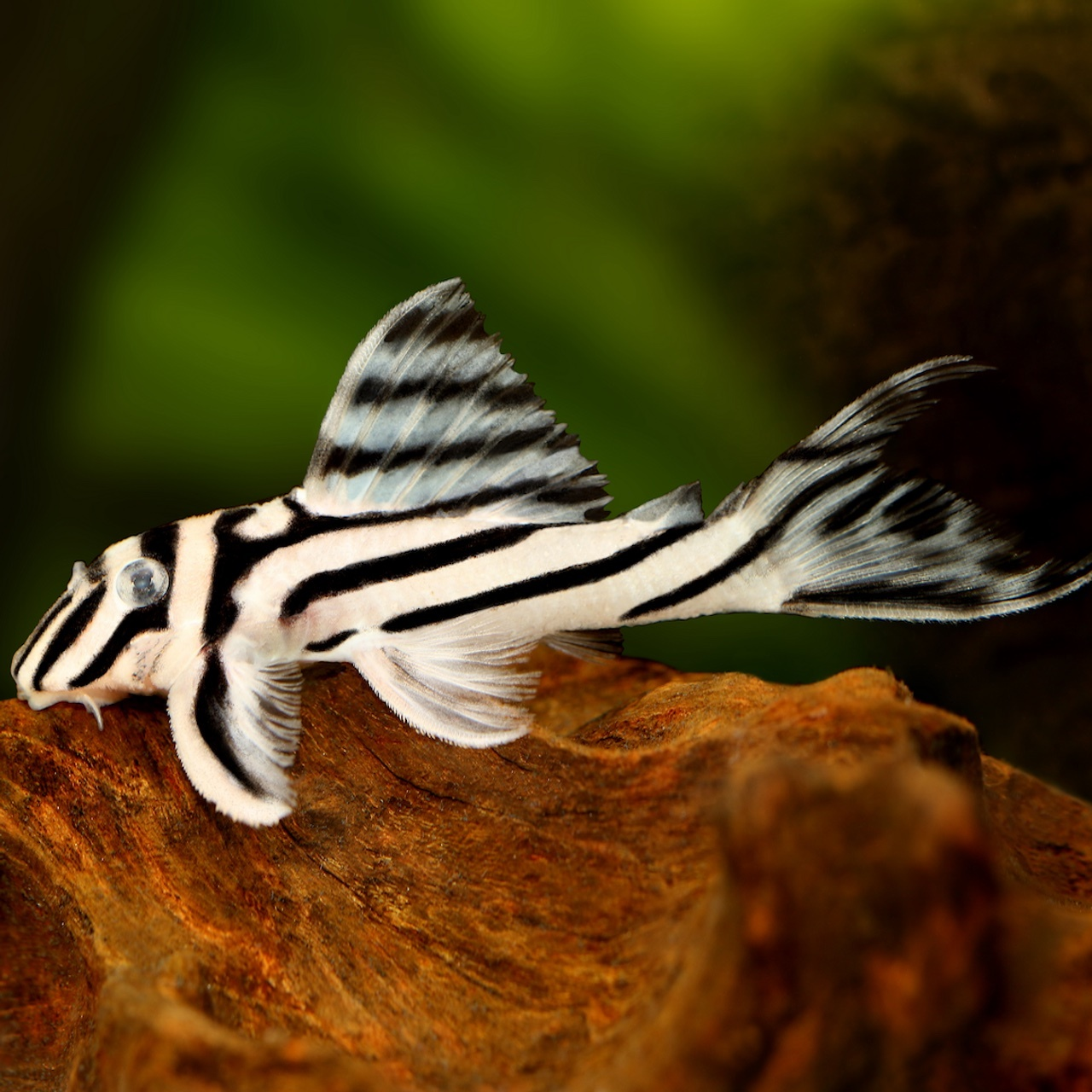
Zebra Pleco, also known by its scientific name Zebra Peckoltia, belongs to the family Loricariidae. This beautiful type of pleco lives upriver of the Altamira on the Xingu River in Brazil. This is one of the most beautiful plecos available in the hobby. The Zebra Pleco's body is spectacularly patterned in black and white (as its name suggests). It is considered by many, rightfully so, as the crown jewel of cool plecos in the hobby.
Zebra Plecostomus types are peaceful and suitable for inhabiting aquariums with most fish. This fish is herbivorous but also eats other types of food. It will accept a wide range of sinking foods available online and in aquarium retail stores, including pellets, flakes, or wafers.
These medium-sized plecos do not require large aquariums. They will appreciate well-planted aquariums with lots of hiding places provided by coconut caves, driftwood, or rocks. Water chemistry is not critical, but the fish generally prefers softish water and will adapt to a wide range of water conditions.
2. LEOPARD FROG PLECO L134
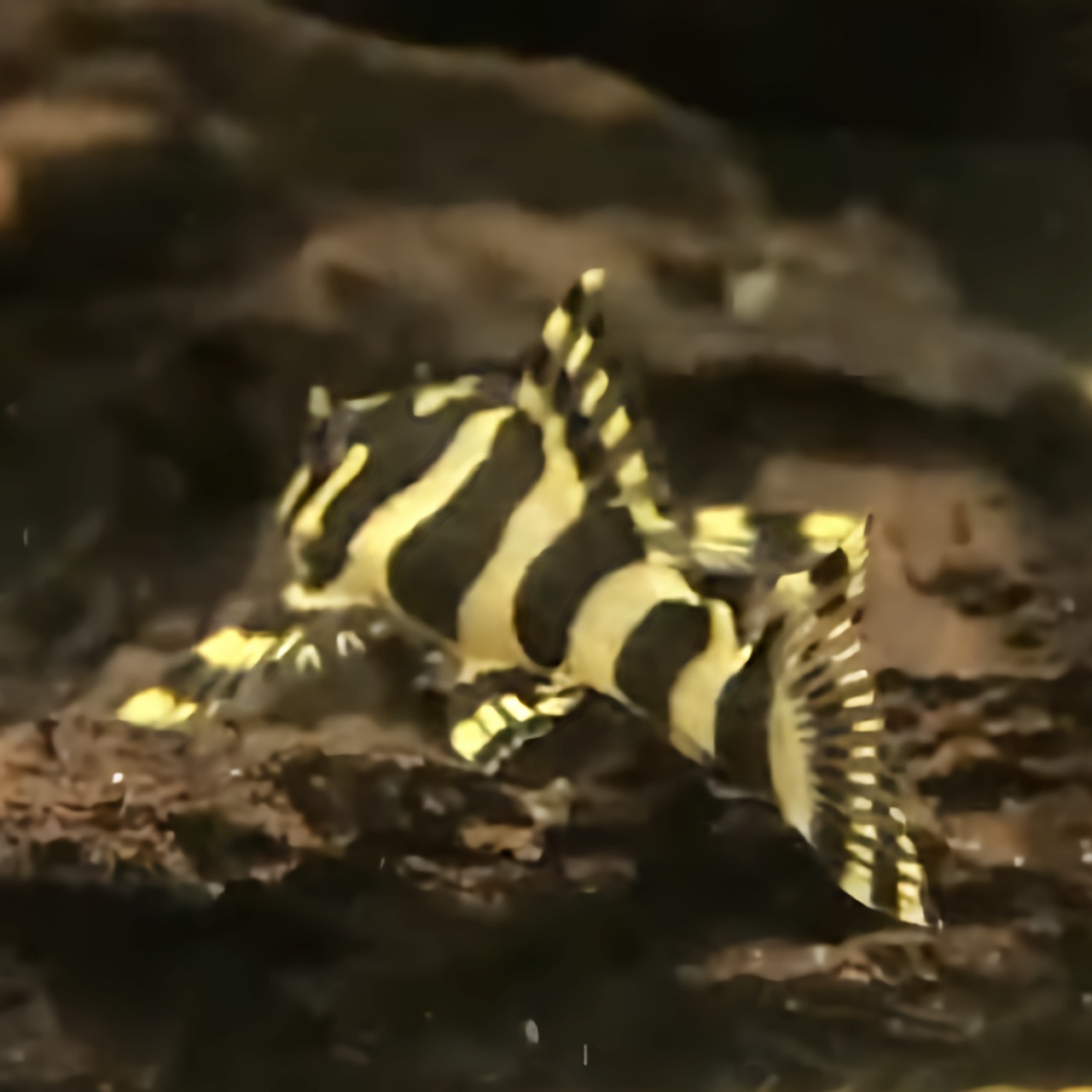
Leopard Pleco (Peckolia Compta), also known as Imperial Tiger Pleco, is a really cool pleco with very attractive coloration and pattern. It is a suckermouth catfish that belongs to the Pecoltia genus of the Loricariidae family. It is native to the Amazon River. As its name suggests, Leopard Plecostomus types sport a leopard-like pattern on their body with a mix of black and yellow stripes throughout the length of their body. Young juveniles start with much more elongated lines, which turn into more irregular patterns as they attain maturity.
This type of pleco will thrive in most aquariums. They like fully established and cycled aquariums with clean water, some flow, and stable water parameters. Their aquarium should provide lots of hiding places. Driftwood, rocks, aquatic plants, and other aquarium decorations can be used to furnish their habitat. They will cohabitate peacefully with other fish.
This fish does not require a large aquarium, and a well-maintained 20-gallon tank would be suitable. Leopard Plecos are omnivores and need a varied diet that includes both vegetation and protein. We recommend feeding good-quality fish food, including wafers, pellets, or flakes.
3. GOLD NUGGET PLECO L018
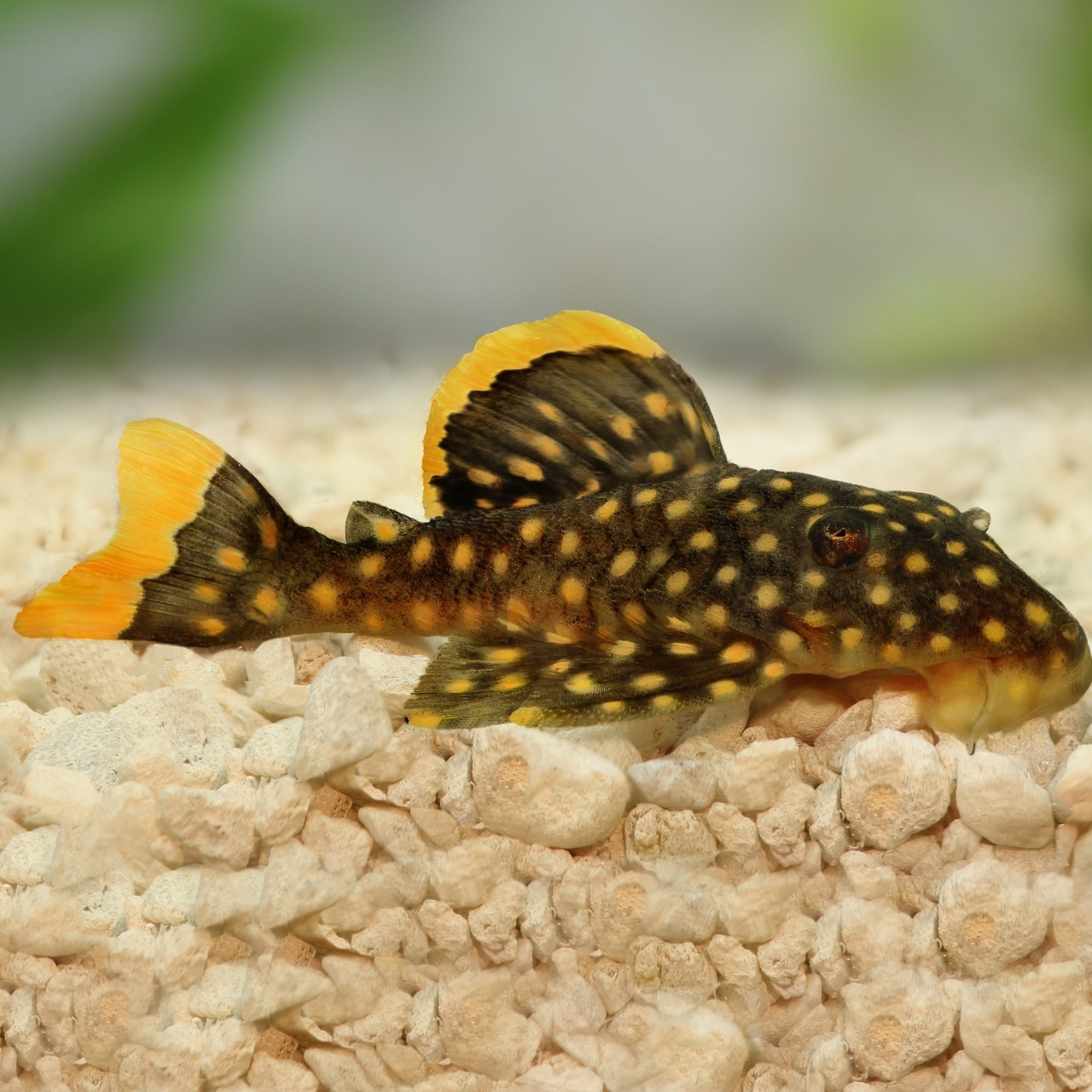
Gold Nugget Pleco L018, also known by its scientific name as Baryancistrus xanthellus, is a type of pleco widely found in the Rio Xingu in the Amazon, Brazil. This fish is very beautiful, with stunning coloration that includes contrasting gold-yellow spots on the body and yellow tips on the dorsal and caudal fins.
This fish is peaceful towards other tankmates, but males may be more territorial toward other male plecos. This fish will eat just about anything, including bloodworms, algae, and other plant-like material; it generally will not harm healthy aquarium plants. This is a cool pleco that is not a finicky eater and will readily accept commercially prepared flakes or algae wafers. You can supplement its diet with slices of potatoes, cucumber, zucchini, or lettuce leaves by placing them on the bottom of the aquarium.
As they are medium-sized plecos, Gold Nugget Plecos do not require large aquariums but will appreciate shelter/hiding places such as caves, driftwood, or rocks. Water chemistry is also not critical, and the fish will adapt to a wide range of water conditions. However, Gold Nugget Pleco should be kept in clean, well-filtered, and oxygenated water. A good canister filter and regular water changes will meet these requirements. Sexing juveniles is not possible, but adult females have narrower and more rounded foreheads than males.
4. BLUE PHANTOM PLECO L128
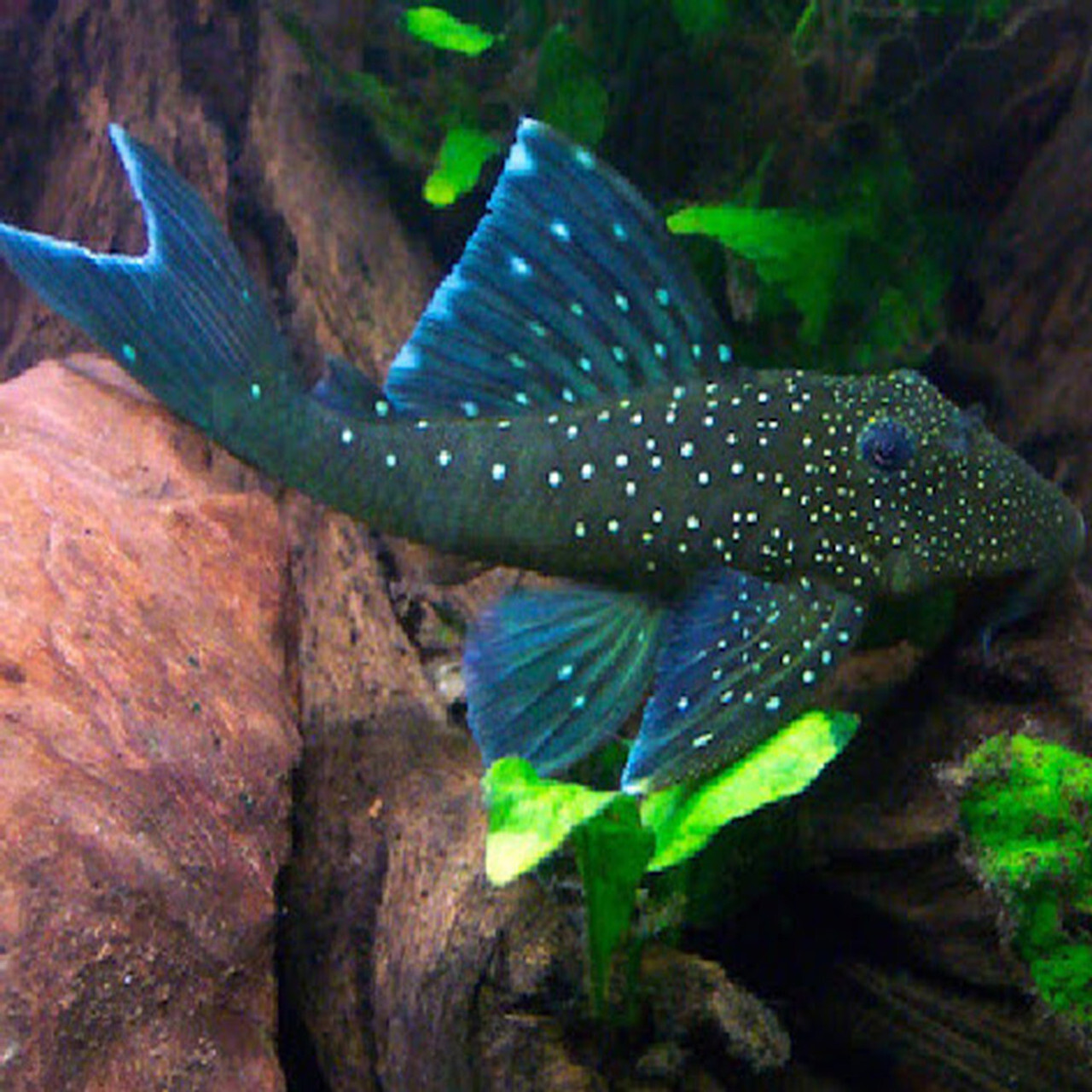
Blue Phantom Pleco L128, Hemiancistrus sp, is a brilliantly colored suckermouth fish. It has a deep cobalt blue-colored body sprinkled with a distinctive pattern of white dots.
Blue Phantom Pleco is native to the Rio Orinoco River in Venezuela. It is peaceful towards different kinds of plecos, but males may be more territorial or aggressive toward other males. Sexing this fish is difficult, but males have larger heads and odontodes on the cheeks and first pectoral fin. This fish is omnivorous and easy to feed. It will enjoy both vegetarian and meat-based diets. It will eat algae and any foods it finds on the bottom of the aquarium, and readily accepts commercially prepared flakes or algae wafers. The diet for this type of pleco can be supplemented with slices of potatoes, cucumber, zucchini, or lettuce.
Blue Phantom plecostomus types can be kept in medium-sized aquariums. Their aquarium should be aquascaped with driftwood or rocks, as they need some hiding places to feel safe and secure. Water chemistry is not critical; the fish will adapt to a wide range of conditions, but it should be kept stable. This fish is also good for a community aquarium.
5. CLOWN PLECO
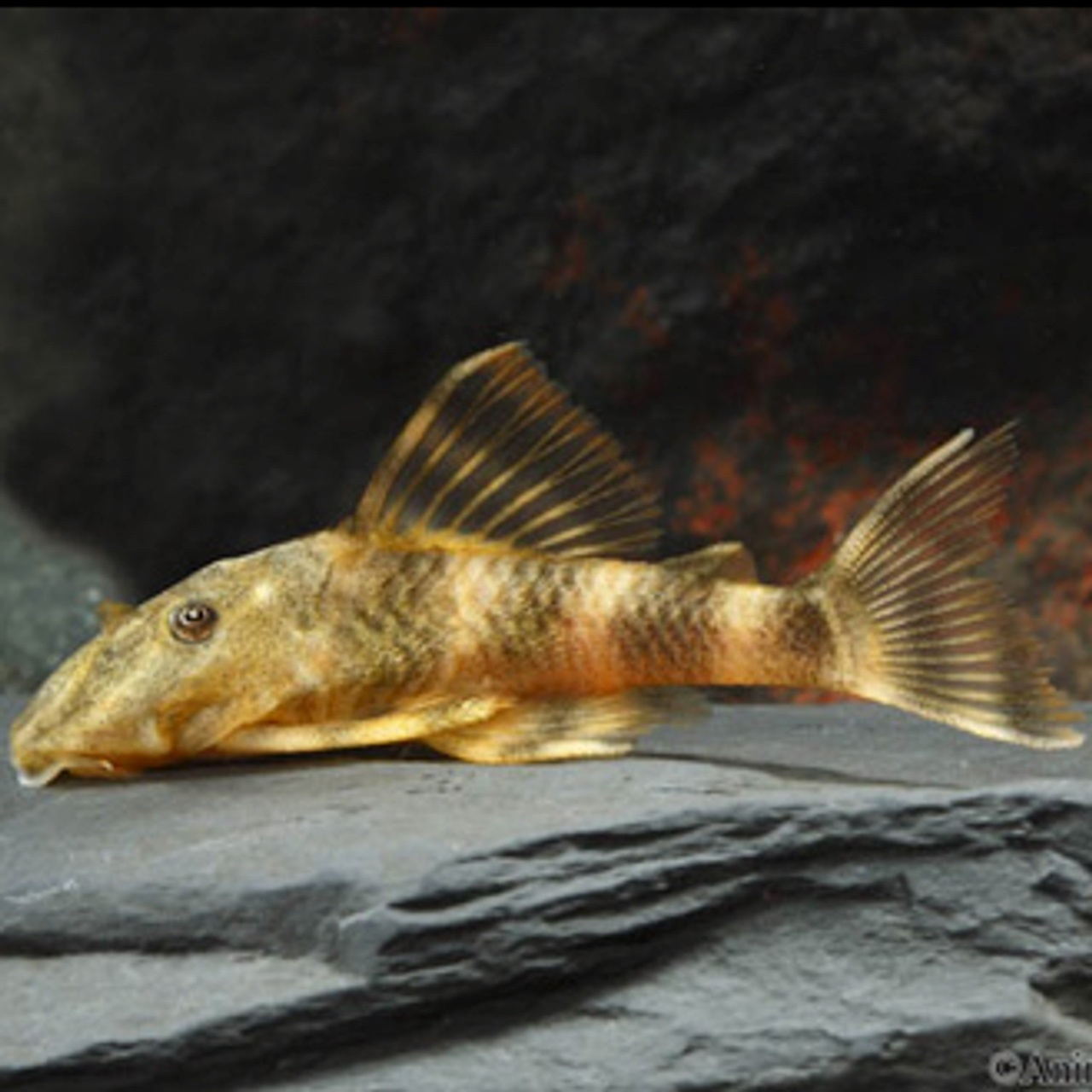
Clown Pleco, also known by its scientific name as Panaque Maccus, is a very popular catfish because of its beautiful coloration and pattern. This bottom feeder is found in Venezuela and Colombia. This type of pleco is largely dark brown to black with a contrasting pattern of light/white stripes on its body.
Males may be more territorial or aggressive toward other males, but the Clown Pleco is a different kind of pleco because it’s peaceful towards other tankmates. This fish eats wood and plant-like material. Clown Pleco likes to chew on something, and they will appreciate driftwood, squash, cucumber, and other vegetables if provided. Alternatively, they should be fed high-quality commercially prepared fish food such as pellets, flakes, or wafers.
Clown Plecos are really cool plecos that will do well in small aquariums. Because of their appetite for wood, their aquarium should be furnished with driftwood. Adding rocks and other decorations where Clown Pleco can hide is also recommended. Given stable water parameters, Clown Pleco will adapt to a wide range of water conditions.
6. RED LIZARD WHIPTAIL
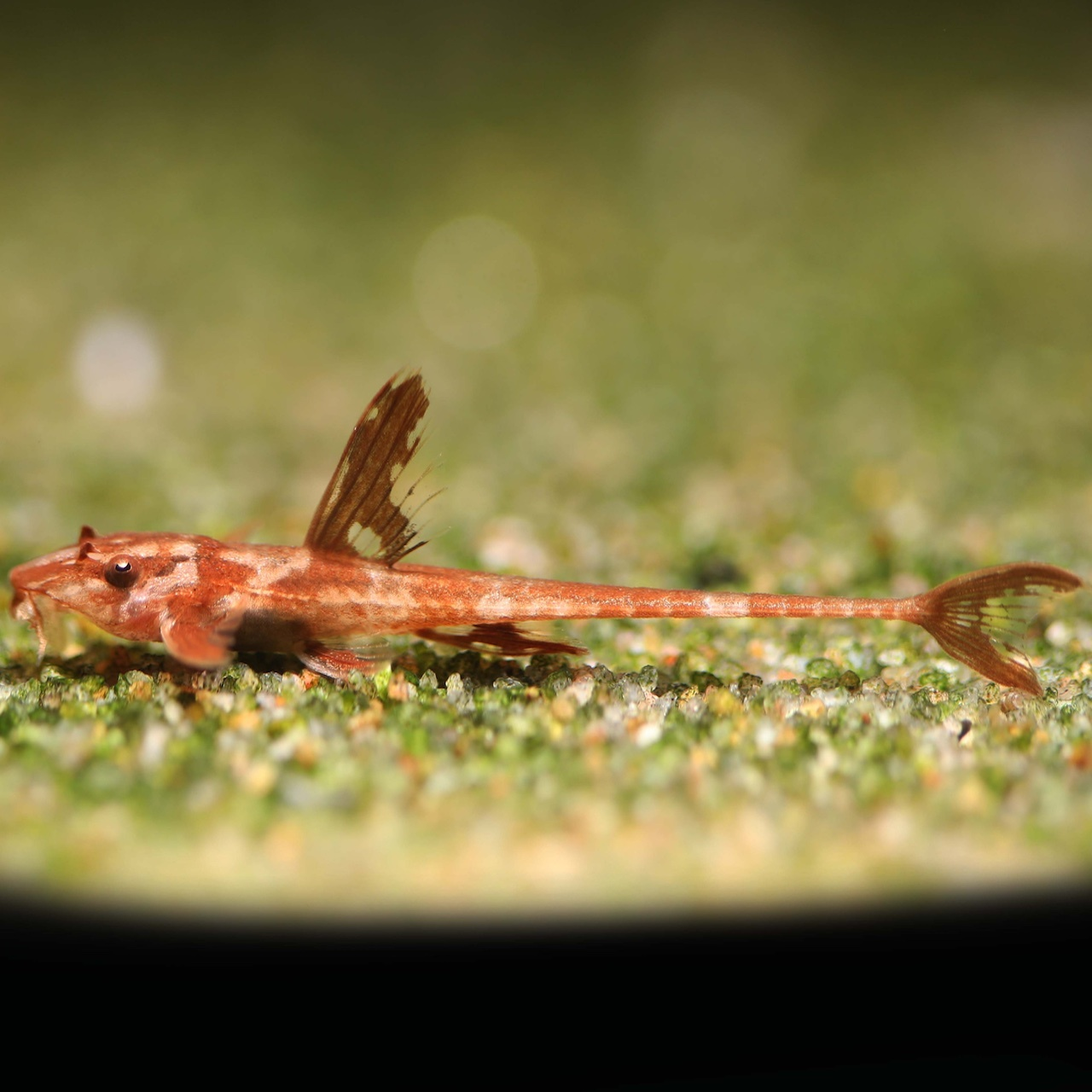
Red Lizard Whiptail is a prehistoric-looking catfish, making it one of the coolest plecos. It has a long, slender body with red hues and a high dorsal fin. This type of pleco is sure to provide something unique to your aquarium.
The Red Lizard suckermouth catfish belongs to the Loricariidae family and originates from South America. It is a hardy fish that is most active in the evening. Once this type of pleco is comfortable in the aquarium and learns the feeding schedule, it should come out regularly during feeding times. It can often be spotted resting on plant leaves and driftwood branches.
Red Lizard Whiptail plecostomus types will feel most at home in aquariums with live aquarium plants. Providing additional hiding places, such as driftwood, unique rocks, and coconut caves, is recommended to increase the fish's comfort. The fish will accept a wide range of foods, including flakes, small pellets, and algae wafers. It can also be fed fresh vegetables such as shelled peas, spinach, zucchini, and cucumbers.
Red Lizard Whiptail types of pleco can be kept with many other peaceful fish and different kinds of plecos, including tetras, plecos, cories, rasboras, and many other community fish.
7. EMPEROR PLECO L204
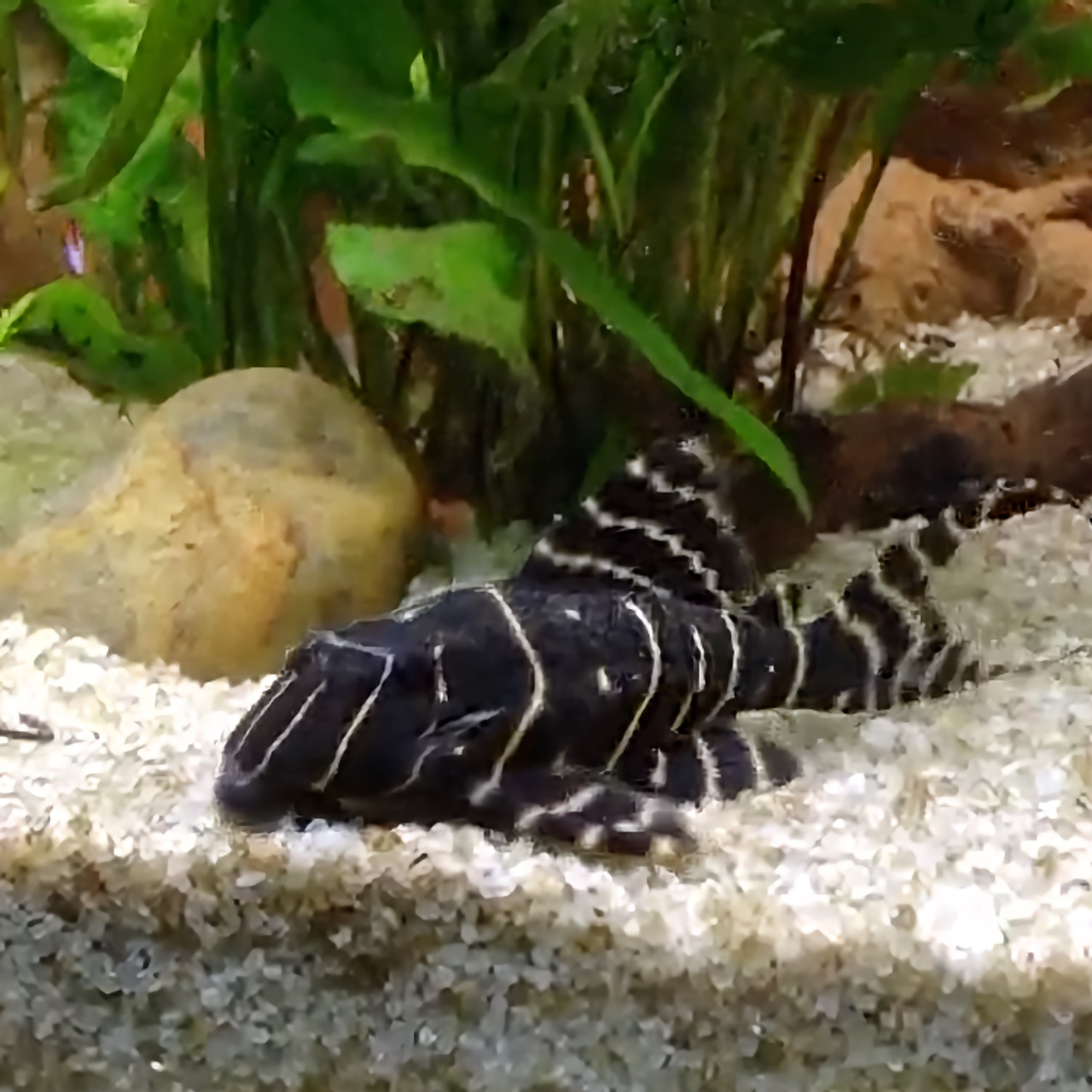
Emperor Pleco, also known as Flash Emperor Pleco or by its scientific name Panaqolus Albivermis, is a strikingly beautiful type of pleco. It has a dark brown to black body with thin, contrasting white vertical lines snaking from its head to its tail. As the fish grows, it may also develop white spots on its body.
Emperor Pleco is found in Peru, specifically in the Ucayali and Maron rivers and their tributaries. It is an undemanding fish and will thrive in a variety of tank conditions. This cool pleco is ideally suited for active community tanks.
Emperor types of pleco should be fed a varied diet, including high-quality wafers, flakes, and pellets. The fish will appreciate hiding places provided by rocks, driftwood, and other tank decorations. It will also thrive in planted aquariums, contrasting beautifully with the green hues of aquatic plants.
8. FALSE ZEBRA PLECO L397
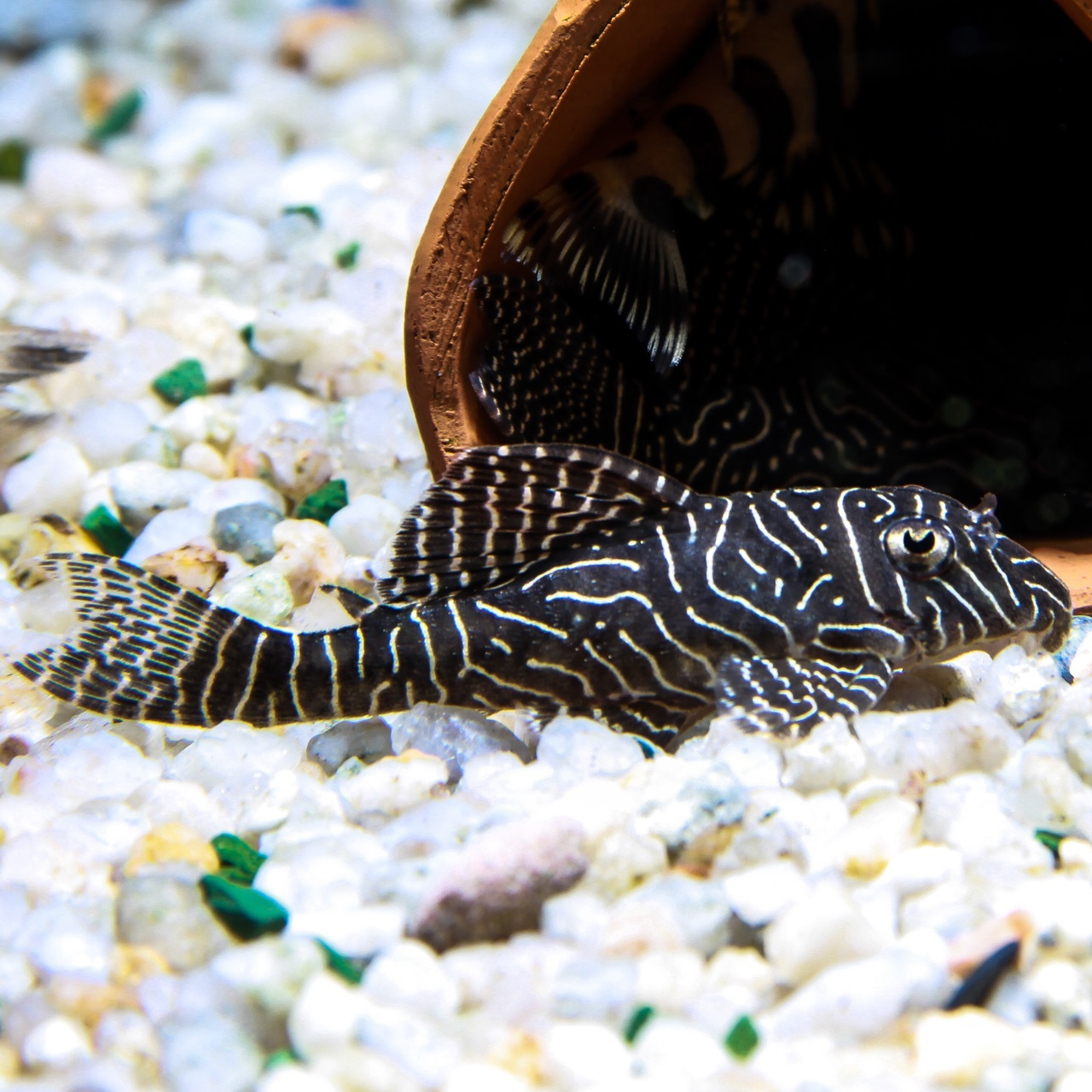
The False Zebra Pleco is known by many common names, including Lujans Pleco, Mottled False Zebra Pleco, and Scribbled Pleco. This type of pleco is a beautiful and attractively patterned fish with irregularly shaped white striping on a dark body.
False Zebra Pleco, Panaqolus sp. (L397), is a species of fish belonging to the Loricariidae family. It is found in the Orinoco and Meta Rivers in Colombia. This medium-sized type of pleco tolerates a wide range of water conditions, is peaceful toward other tankmates, and accepts a variety of fish foods. For these reasons, the False Zebra Pleco is an ideal fish for community tanks or those housing a variety of fish.
False Zebra plecostomus types should be fed a varied diet, including vegetarian and meat/protein-based foods. High-quality fish food for bottom feeders, including pellets, wafers, and/or occasionally bloodworms, will meet this pleco's dietary needs. An ideal aquarium should also include driftwood, rocks, and other decorations, allowing the fish to both feed on them and find suitable hiding places.
9. RED BRISTLENOSE PLECO
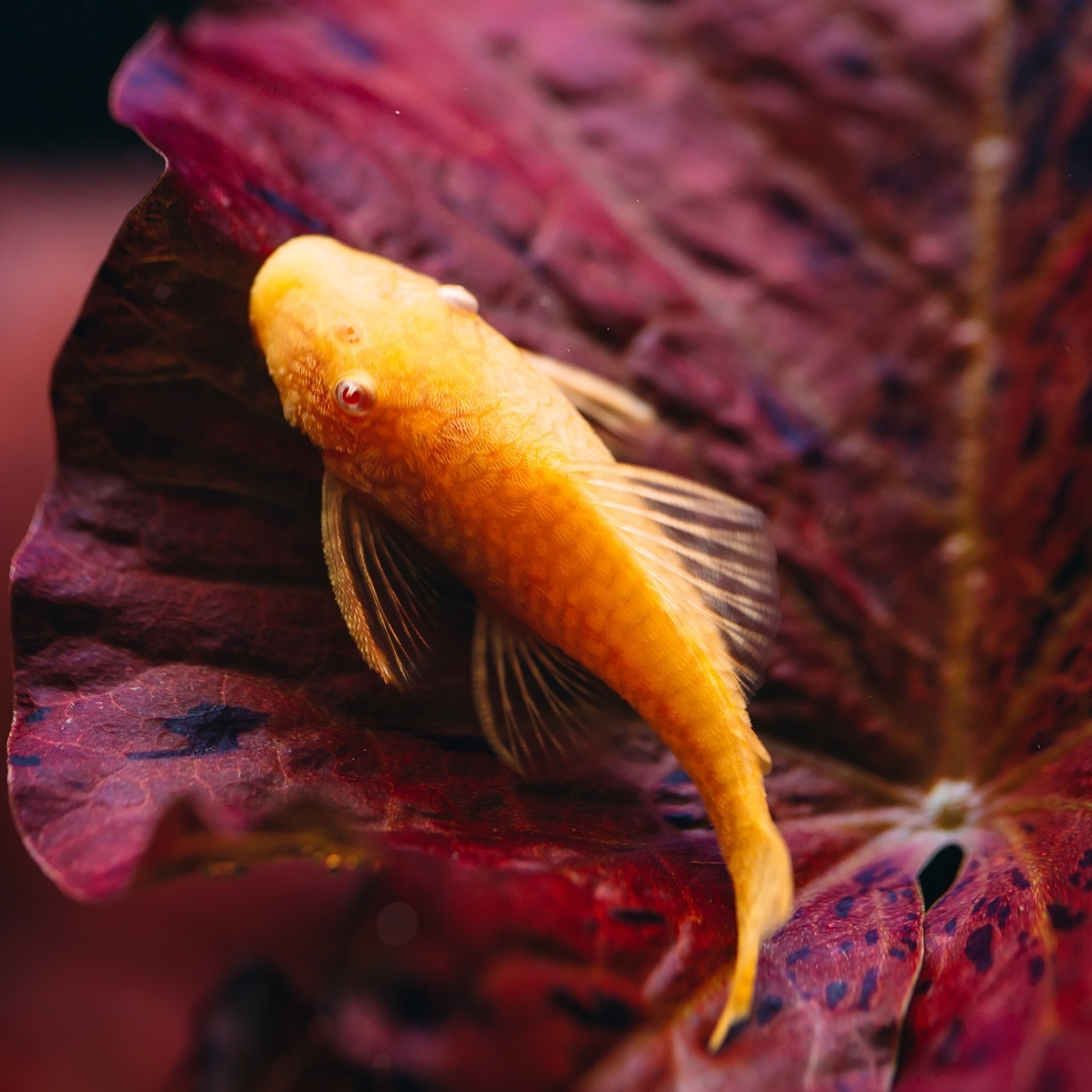
The Red Bristlenose Pleco is a color variant of the Bushynose Pleco. It belongs to the family Loricariidae. This type of pleco is widely found in tropical South America. This is a cool pleco because it’s similar in appearance to an albino bushy nose pleco, but its coloration is more attractive. Its body color ranges from light yellow to slightly reddish.
It is peaceful towards other tankmates, but males may be more territorial or aggressive toward other male plecos. This plecostomus type is not a picky eater and will eat just about everything, including frozen foods like bloodworms, algae, and other plant-like material, but it is not known to harm healthy aquarium plants. This pleco will readily accept commercially prepared flakes or algae wafers. You can supplement its diet with other vegetable matter, such as slices of potatoes, cucumber, zucchini, or lettuce leaves, by placing them on the bottom of the aquarium.
Bushynose plecos are suited for small and medium-sized aquariums. For many different kinds of plecos, the ideal aquascape should have plenty of hiding places made of driftwood or rocks. Water chemistry is not important for this type of pleco, and the fish will adapt to a wide range of water conditions. Sexing is fairly easy as the males develop bristle-like projections on the head. When breeding, the female will lay eggs in a cave, between roots or bogwood, and they, as well as the fry, are guarded by the male.
10. MEDUSA BUSHYNOSE PLECO L034
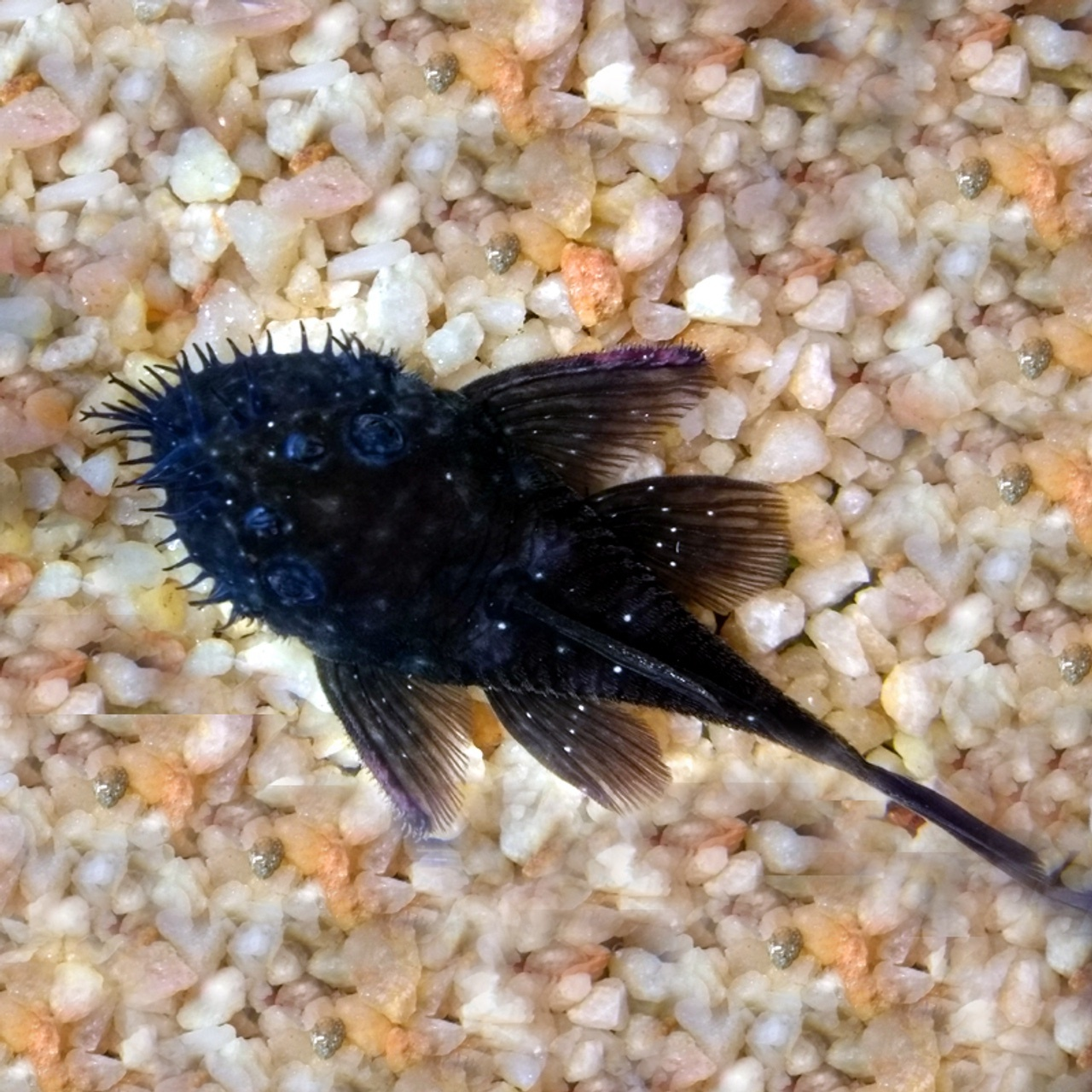
Medusa Bushynose Pleco L034 is a truly odd-shaped type of pleco. Similar to Bristlenose Plecos, this pleco also has protruding tentacles growing around its mouth and on top of its head. Medusa pleco's body, however, is flatter, and its head appears unusually large relative to its body.
Medusa Pleco originates from the Xingu River in Brazil. It likes clean water with good flow. It is peaceful towards other tankmates and can be kept in community fish aquariums. This fish will eat both vegetarian and meaty foods, including algae and bloodworms. This type of pleco is not a finicky eater and will also accept commercially prepared flakes or algae wafers.
Aquariums housing Medusa plecostomus types should be aquascaped with hiding places such as caves or crevices provided by elm driftwood or rainbow slate rocks. The fish will adapt to varied water conditions.
Pleco FAQ
What are the best alternative fish to plecos?
The best alternative fish to these types of plecos depends on your tank size and environment. Here are a few recommendations based on common configurations:
- Nano Tanks: Otocinclus Catfish are a great replacement for plecos, as they are peaceful, schooling fish that eat soft algae and biofilm off glass and plant leaves.
- Lots of Algae: Siamese Algae Eaters are highly active and can destroy hair and black beard algae. However, they do need a minimum of 20 gallons of swimming space.
- Hardscape Cleanliness: Hillstream Loach can help control algae growing on smooth rocks and glass. They do best in oxygen-rich environments with a strong current.
What are the pros and cons of plecos in an aquarium?
Hardy, beautiful, and great for algae control, all types of plecos offer a ton of other benefits, including:
- Adaptability
- Unique Personalities
- Mostly Peaceful
Some downsides of owning different kinds of plecos include:
- Big bioload, as they produce a lot of waste
- Some types of plecos can grow up to two feet long
- Require supplemental feeding beyond algae
- Can dig up substrate and uproot plants
How do you buy plecos?
Some plecostomus types are common, likely available at your local pet store or aquarium hobby shop. However, rarer species, like the Zebra Pleco, are only available at specialty stores or from breeders.
If you’re shopping in-store, make sure the plecos are healthy by checking that they have unblemished fins, unsunken bellies, and clear eyes.
Finding Your Ideal Types of Pleco
Now that you know more about each type of pleco, you can choose the best ones for your aquarium. Whether you want to populate your tank with a few different kinds of plecos, or keep your school homogeneous, Modern Aquarium should be your resource for feeding and caring for your fish! Keep your cool plecos in peak health with our massive selection of fish food, medicine, water testing supplies, and general maintenance needs!
Have questions about plecos or other algae control methods for your aquarium? The Modern Aquarium team is here to help. Explore our blog for general topics or reach out to our customer service representatives at (917) 231-5956 for personalized support.