

Posted by Artur M. Wlazlo on 15 Jul 2025
Stem Plants in the Aquarium, Part II: Trimming, Replanting, and Creating a Lush Stem Plant Wall
If Part I is about helping stem plants grow, Part II is about helping them become beautiful. The difference between an aquarium that simply has stem plants and one where stem plants truly shape the aquascape usually comes down less to the species and more to how they are maintained. More specifically, it is the trimming and replanting routine.
Why Stem Plants Need More Than Just Good Growth.
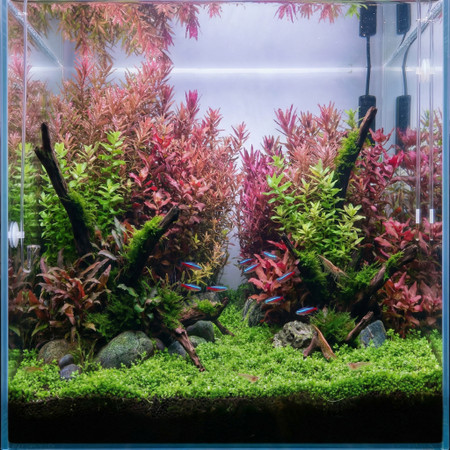
A stand of stem plants can be perfectly healthy and still look underwhelming. It may be tall but thin, colorful at the top but bare at the bottom, or lush in one corner and sparse everywhere else. That is not necessarily a failure. It simply means the plants are still growing naturally rather than being trained. The dense, vibrant blocks and flowing “walls” of stem plants seen in polished aquascapes are almost never the result of planting once and walking away. They are the result of repeated, purposeful shaping.
Trim, Replant, and Repeat.
The core idea is simple. When a stem plant grows upward and you cut the healthy top, the lower portion often responds by branching or pushing new side shoots. If you then take that healthy top and replant it into the same area, you have increased the number of stems in that group. Repeat that process over time and the stand becomes denser, more layered, and more attractive. That is the entire magic in one sentence: trim, replant, thicken, repeat.
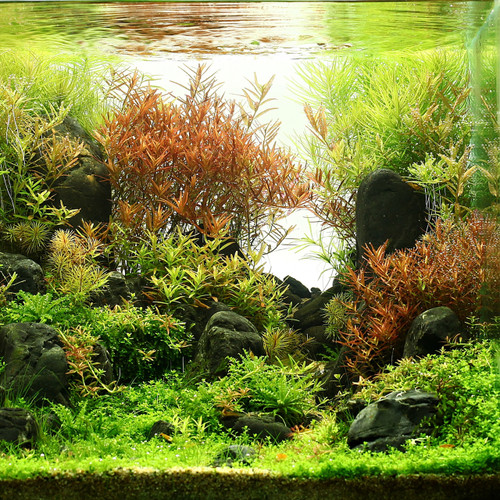
The reason this matters so much is that stem plants tend to grow upward faster than they grow outward unless you intervene. Left alone, many species will head straight for the surface. The tops may look good, but the group often becomes sparse underneath, particularly if the upper growth starts shading the lower stems. Regular topping interrupts that habit. It tells the plant, in effect, to stop acting like a single vertical stem and start behaving like part of a bush.
The first lesson, then, is not to wait too long. Many aquarists delay trimming because the plants “finally look tall,” and they are reluctant to cut something that appears to be doing well. But the best time to start shaping stem plants is earlier than most people think. Once the stems are rooted and growing with confidence, a first trim can encourage stronger side growth and begin the thickening process before the stand becomes leggy or top-heavy. Waiting until everything has reached the surface often means the lower portion is already being deprived of light.
When making that first trim, focus on the healthiest, most vigorous top growth. These tops are often the most colorful, the most compact, and the most visually appealing sections of the plant. Cut them cleanly, then replant them into the same group, especially in areas where the stand still looks open. Over time, this transforms a modest bunch into a dense mass. The original base continues to grow and often branches, while the replanted tops create a second layer of density. This is one of the easiest ways to make stem plants look fuller without buying more plants every time.
That replanting step is the part many people skip, and it is usually the reason their stems never become the lush background they imagined. Trimming alone controls height. Trimming plus replanting creates density. If the goal is a real stem-plant wall, not just a short version of the same thin bunch, those cut tops need to be used strategically.
A good way to think about the process is in stages. In the early stage, the goal is establishment. The stems root, begin growing upward, and adapt to the aquarium. In the second stage, the goal is multiplication. This is when the tops are trimmed and replanted to increase the mass of the stand. In the third stage, the goal becomes refinement. At that point, the aquarist is no longer simply trying to get more stems. The focus shifts to shaping the group into the exact form the aquascape needs, whether that is a rounded bush, a sloping hedge, or a tall background wall.
Shape matters. A dense stand of stems can still look clumsy if it is trimmed like a flat box. In many aquascapes, especially natural-style layouts, stem groups look best when they have contour. The back of the group can be taller, the front slightly lower, and the edges softened rather than chopped into a severe rectangle. In Dutch-style aquascaping, sharper blocks of color may be exactly the point, but even then, deliberate shaping usually looks better than random overgrowth. A stand of Rotala Red, for example, can be kept as a soft mound with a subtle slope, while Ludwigia Super Red Mini often looks strongest as a tighter, more defined patch of color.
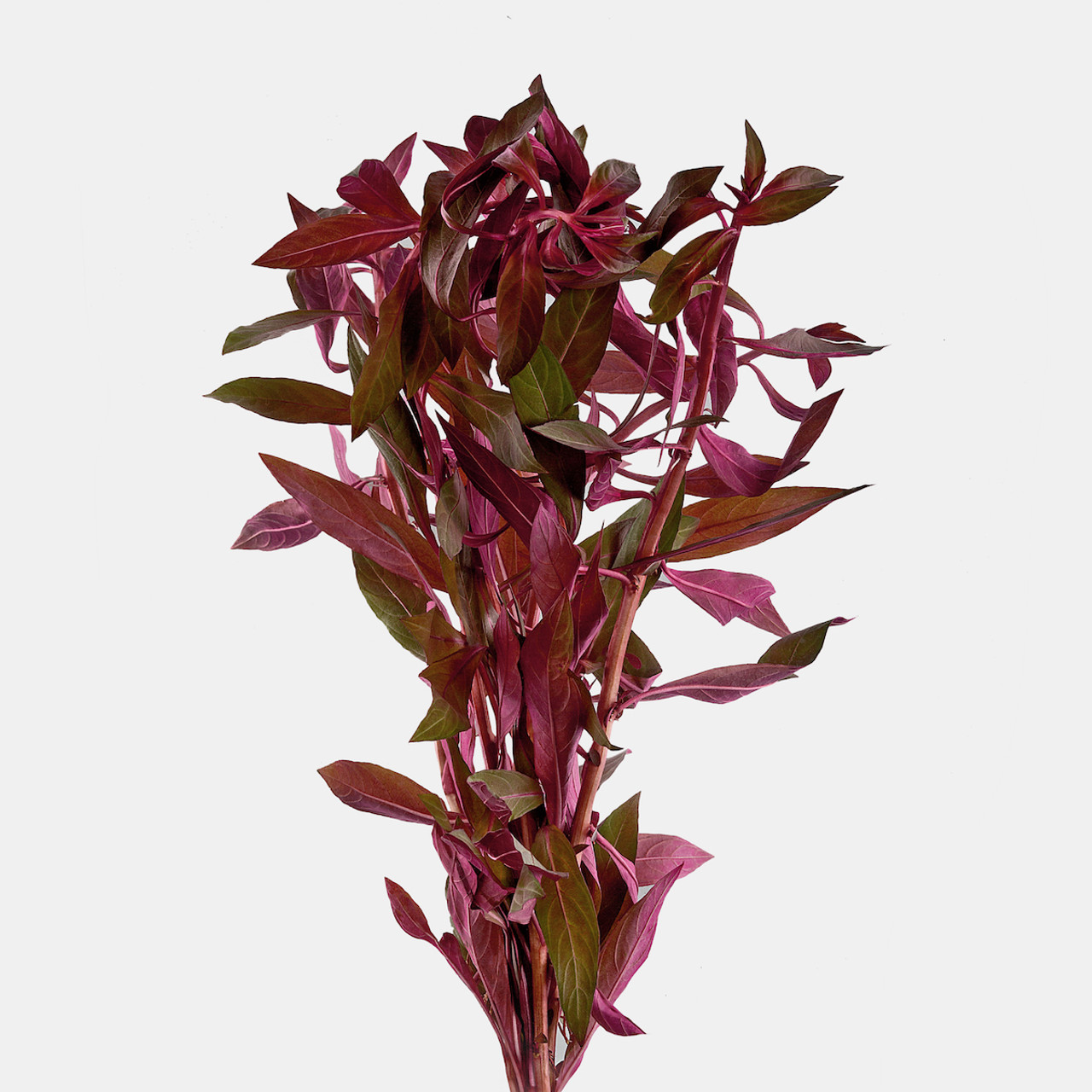
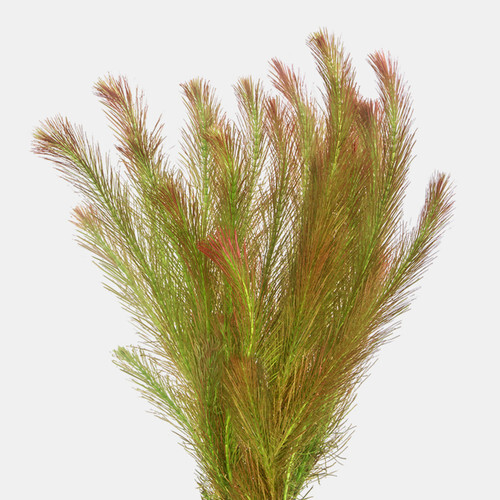
This is also where species choice matters. Rotala Red is one of the best plants for building a soft, refined background mass. Its finer texture makes dense growth look elegant rather than heavy. Ludwigia Super Red Mini is excellent when you want a more concentrated red section with sharper visual definition. Bacopa Caroliniana creates a different effect entirely. Because its leaves are rounder and its stems more structured, a dense Bacopa group reads as calmer and more architectural. Pogostemon stellatus “Octopus,” by contrast, gives a stand a looser, more animated look, which can be a beautiful counterpoint to broader-leaf plants and solid hardscape.
Keeping Stem Plants Full from Top to Bottom.
A very common question is how to get stem plants to look full from the bottom up, not just attractive at the surface. The answer is partly maintenance and partly environment. First, do not let the tops become so overgrown that they shade the whole stand beneath them. Second, give the stems enough spacing that light and flow can still reach lower growth. Third, understand that older lower sections eventually do tire. This is normal. In well-maintained tanks, older lower stems are often removed and replaced over time by fresher, healthier replanted tops. In other words, a beautiful stem group is often not old growth preserved forever, but a stand continuously renewed.
That point is worth emphasizing because it changes how aquarists think about maintenance. Beginners often assume that every stem should remain rooted in place indefinitely. In practice, the best-looking stem groups are often constantly refreshed. The aquarist trims the best tops, replants them, and eventually removes the old lower stems once they have done their job. This sounds destructive on paper, but in the aquarium it is exactly what creates that polished look. You are not losing the plant. You are renewing the group.
Color, Density, and Stronger Growth.
Color intensity also ties closely into trimming success. When stem plants are grown under stronger, steady light with good fertilization, the tops often develop better color and tighter growth. That means the material you are replanting is already visually attractive. Red stems such as Ludwigia Super Red Mini or warmer-toned stems like Rotala Red become much more useful in aquascaping when their replanted tops carry strong color and compact form. The more stable the environment, the more consistent those tops become, and the easier it is to build a stand that looks intentional from every angle.
Fertilization plays a bigger role here than some hobbyists realize. A stem group that is being trimmed and replanted regularly is being asked to regrow, branch, root, and color up over and over again. That is active work for the plant. A weak or inconsistent nutrient routine often shows up in this stage as thinner tops, less vibrant color, slower recovery, or lower leaf loss. For aquarists aiming for premium stem growth, consistency matters far more than occasional bursts of attention. The tank should feel fed, not sporadically rescued.
Lighting deserves similar consistency. Many stem plants can tolerate moderate light, but dense, colorful, refined growth usually improves under stronger planted-tank lighting. More light, when balanced properly with nutrients and CO₂ if used, helps keep growth compact and lowers the odds of long, awkward internodes. It also helps the stand hold visual interest lower down rather than only at the surface. A reliable daily schedule often matters just as much as intensity. Stem plants respond well to routine.
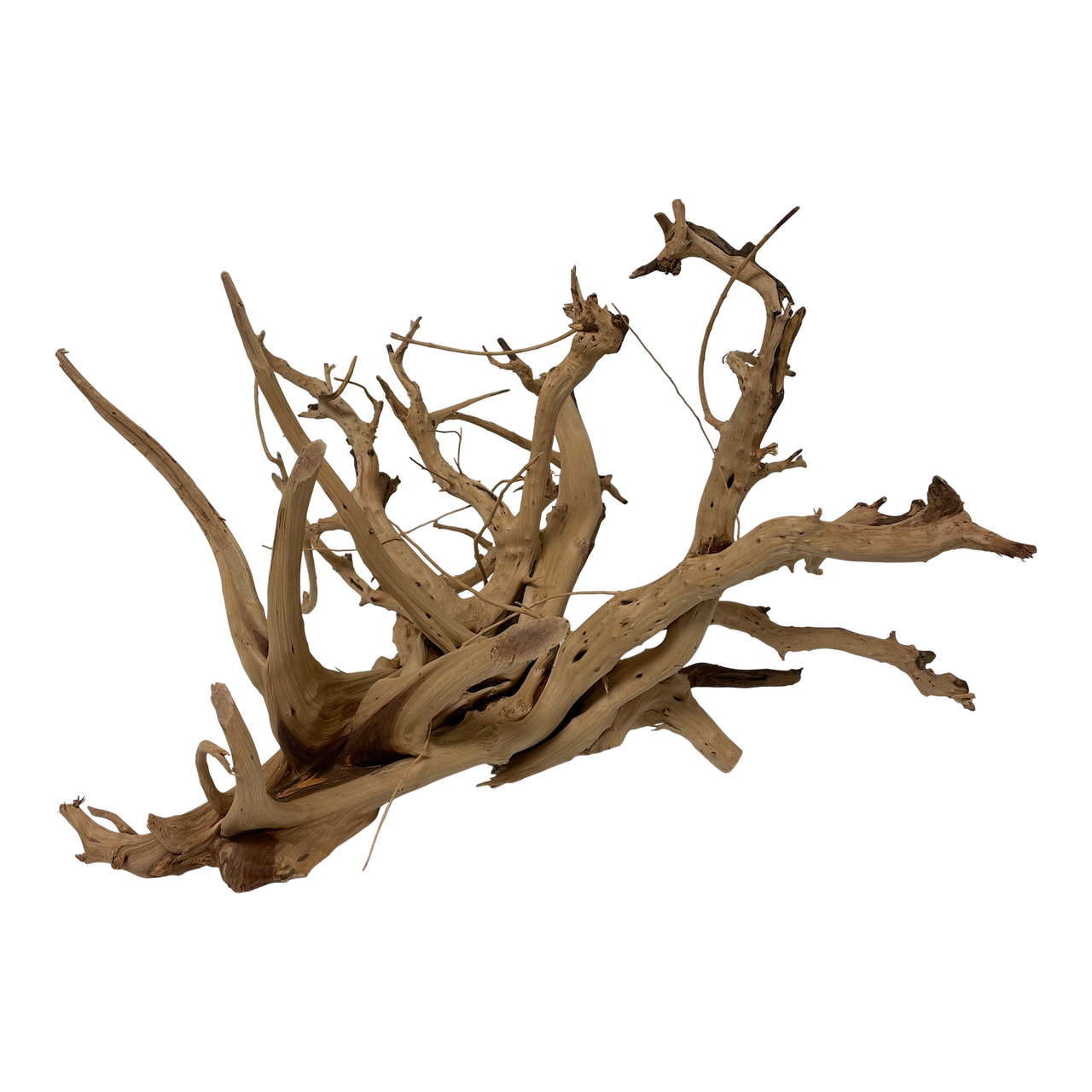
Aquascaping with trimmed stems becomes much more enjoyable once the aquarist starts thinking in masses and contrasts. A patch of Ludwigia Super Red Mini can be positioned behind dark wood like Blackwood or Saba Wood so the reds read clearly and do not get lost. A softer stand of Rotala Red can be placed behind green midground plants so the whole area glows rather than shouts. Bacopa Caroliniana can be used to bring order and weight near wilder textures. Pogostemon stellatus “Octopus” can be tucked around branching hardscape where its movement contrasts beautifully with the static lines of wood and stone. Tiger Wood is especially effective in layouts where these planted pockets and layers are part of the overall design.
One of the most attractive ways to use stem plants is not as one giant wall of a single species, but as a series of related masses. A greener, more structured plant can create the main backdrop, while a finer or warmer-toned species softens one side of it. A red accent can then be kept tighter and more selective so it functions like punctuation rather than noise. This is often the difference between a planted tank that looks crowded and one that looks composed.
Creating the Classic Stem Plant Wall.
For hobbyists who specifically want the classic “wall” of stems, the process is straightforward but requires patience. Start with enough stems to form a real group. Plant them in a relatively concentrated section. Let them establish. Trim before they become too tall and self-shading. Replant the healthiest tops. Repeat. After a few cycles, the stand will look noticeably thicker. After several more, it begins to behave visually as one planted mass rather than as individual stems. Once that stage is reached, the aquarist can refine the wall into a slope, block, dome, or mixed-height background depending on the aquascape’s needs.
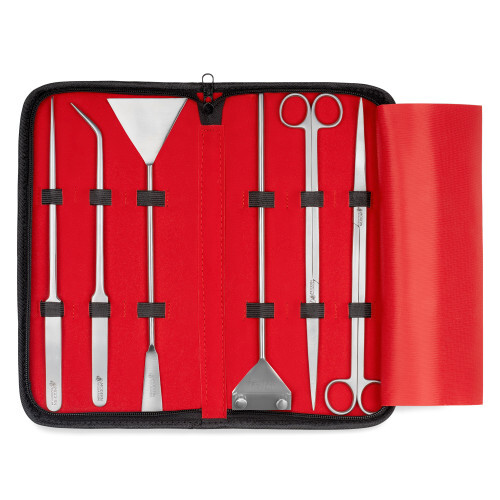
Maintenance at that point becomes less about emergency control and more about sculpting. Some trims are done to preserve color. Some are done to keep sightlines open around hardscape. Some are done to prevent one species from swallowing another. Some are done simply because a clean edge or a refreshed top makes the whole aquarium look sharper. This is when stem plants stop feeling like fast growers that need “constant cutting” and start feeling like one of the most expressive tools in the planted tank.
That is also why stem plants are so deeply satisfying. They reward observation. The aquarist notices which tops are best, which sections are thinning, where the color is strongest, and where a group needs contour or renewal. The process becomes less about generic maintenance and more about gardening underwater. With each cycle, the aquarium becomes not just fuller, but more intentional.
In the end, the lush stem-plant wall so many aquarists admire is not created in one planting session. It is built through rhythm. Plant, grow, trim, replant, refine. Stick with that process and stem plants become far more than background filler. They become one of the main reasons the aquarium feels vibrant, dimensional, and alive.