


Posted by Artur M. Wlazlo on 7 Mar 2026
Stem Plants in the Aquarium, Part I: What They Are and How to Help Them Thrive
There are some aquarium plants that quietly fill space, and then there are plants that define it. Stem plants belong firmly in the second category. A few bunches placed thoughtfully behind rock, wood, or lower-growing plants can transform a tank from sparse to lush in a surprisingly short time. They add height, softness, color, and movement. They can create a clean green backdrop, a glowing red accent, or the kind of layered planted look that makes an aquarium feel mature and alive.
Why Stem Plants Are So Popular in Planted Aquariums.
Part of their appeal is that stem plants are both practical and beautiful. They grow quickly compared with many other aquarium plants, they can be propagated easily, and they are incredibly flexible in aquascaping. Some hobbyists use them to create classic Dutch-style blocks of color. Others tuck them behind driftwood and stone to soften hard lines and add a more natural, overgrown feel. In either case, they do something very important in the aquarium: they make the layout feel complete.
What Stem Plants Are and Why They Matter in Aquascaping?
So what exactly is a stem plant? In the simplest sense, it is a plant that grows upward through individual stems, with leaves emerging along the stem at intervals. That growth habit gives stem plants their distinctive look and also explains why they are so useful. Instead of spreading from a rosette or creeping across the substrate like a carpet plant, they grow vertically, which allows them to fill the background or midground quickly and respond beautifully to pruning. That is also why stem plants are some of the most “interactive” aquarium plants you can keep. You do not just plant them and leave them alone. You shape them, guide them, and improve them over time.
Why Stem Plants Look So Different from Other Aquarium Plants.
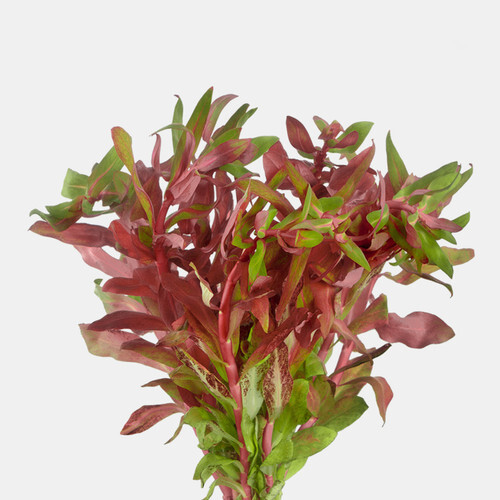
One of the reasons stem plants remain so popular is the sheer variety they offer. Some are delicate and feathery, creating a soft, almost cloudlike texture in the background. Others are more structured, with thicker stems and tidy leaves that bring a sense of order to the tank. Some stay green and fresh-looking under a wide range of conditions, while others develop pink, orange, or red tones when grown under stronger light with steady nutrition. That range gives aquarists a lot of room to design with intention rather than simply filling space.
Modern Aquarium carries excellent examples of this range. Rotala Red is a classic choice when you want soft texture and warmer color in the background. Bacopa Caroliniana offers a very different look, with thicker stems and rounder leaves that create cleaner lines and contrast beautifully with finer foliage. Ludwigia Super Red Mini is ideal when the goal is a more concentrated red accent, especially in layouts that need a focal “hot spot” rather than a huge red mass. Pogostemon stellatus “Octopus” brings a completely different energy, with long, narrow leaves that sway in the current and give the tank a sense of motion. Even within just a few species, stem plants can change the mood of an aquascape dramatically.
That versatility is also why stem plants work for aquarists at many different levels. Beginners appreciate that many of them establish quickly and show visible growth, which makes a planted tank feel rewarding early on. More experienced hobbyists appreciate how responsive stem plants are to trimming, nutrient balance, and light intensity. They are among the best plants for learning how small husbandry decisions affect growth form, color, and density.
How to Plant Stem Plants the Right Way.
Still, stem plants do best when they are planted and maintained correctly from the start. One common mistake is to treat a bunch of stems like a single plant and push the entire bunch into the substrate without separating it. That usually leads to a crowded base, weak lower growth, and a less natural look. Stem plants generally perform better when the stems are separated and planted individually in a grouped stand. This gives each stem room to root, allows better circulation around the plant, and helps light reach lower portions of the stand. It also makes the whole group look more intentional once it begins to fill in.

When planting stem plants, it helps to think in terms of groupings rather than isolated singles. A single stem here and there rarely looks impressive. A cluster, even a loose one, reads visually as a planted section. That section can then be shaped over time into a bush, hedge, or colorful background mass. Planting stems in small groups also makes future maintenance easier, because you can trim and replant an area as one visual unit rather than chasing scattered stems around the aquarium.
Lighting, Fertilization, and CO2.
Substrate matters too, but not always in the way beginners expect. Many stem plants are excellent water-column feeders, which means they respond very well to a consistent liquid fertilizer routine. A good planted substrate can still help with rooting and overall vigor, especially in tanks designed for heavier plant growth, but stem plants often show the best results when the aquarist is consistent with water-column nutrition rather than relying on substrate alone. In practical terms, that means a stable fertilization routine usually matters more than chasing a perfect miracle substrate.
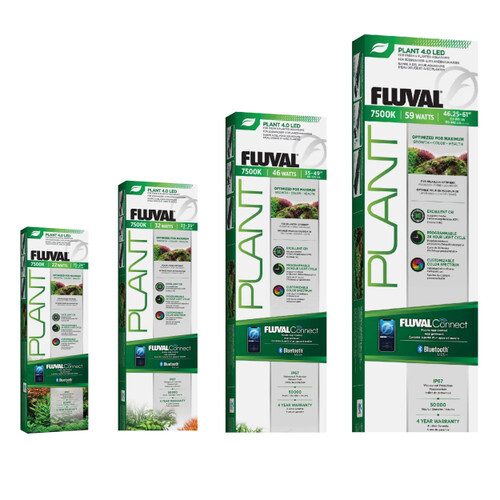
Lighting is another major piece of the puzzle. Many stem plants will survive and even grow in moderate light, particularly greener and more forgiving species such as Bacopa Caroliniana or some Hygrophila varieties. But “surviving” and “looking their best” are not the same thing. Stronger, consistent lighting often leads to tighter growth, better leaf density, richer coloration, and more attractive top growth. This is especially noticeable with red or pink stems. A plant that remains olive-green and somewhat loose under moderate conditions may become more compact and much more colorful under stronger light with steady nutrients.
That does not mean every aquarist needs to run an intense high-tech system just to enjoy stem plants. A low-tech aquarium can still look beautiful with the right plant selection and realistic expectations. What matters most is stability. Stem plants respond well when the light schedule is predictable, fertilization is regular, and the aquarium is not swinging wildly from one condition to another. Many hobbyists get into trouble not because their setup is inherently bad, but because it is inconsistent. Strong one week, weak the next. Dosed heavily for a few days, then ignored. Long photoperiods followed by abrupt changes. Stem plants are forgiving, but they do show those inconsistencies.
CO₂ sits in a similar category. It is not mandatory for every stem plant or for every attractive planted tank. Plenty of aquarists keep beautiful stem plants without injected CO₂. But when the goal is the very best result, meaning fuller growth, better coloration, tighter spacing between leaves, and faster recovery after trimming, stable CO₂ can make a noticeable difference. This is especially true when combined with stronger light. In that kind of setup, stem plants often look more polished, more compact, and more “finished.”
It is also worth remembering that different stem plants bring different strengths to the aquascape. Bacopa Caroliniana is valuable not only because it is forgiving, but because its leaf shape breaks up monotony. In a tank full of fine stems, grasses, or narrow leaves, Bacopa introduces a calmer, more structured texture. Rotala Red does almost the opposite, creating a softer, more delicate visual effect that works beautifully behind stronger green plants. Ludwigia Super Red Mini is a focal plant, one you use when you want the eye to land in a certain area. Pogostemon stellatus “Octopus” is ideal when the aquascape needs movement and airy volume. Thinking this way, in terms of function rather than just species names, helps build more balanced planted tanks.
How Stem Plants Benefit Fish, Shrimp, and the Overall Aquarium.
Stem plants also offer real benefits to the aquarium beyond appearance. Dense planted sections can provide line-of-sight breaks for fish, cover for shrimp and fry, and a more natural sense of security for livestock that do not enjoy being exposed in open water. They soften the visual hardness of glass boxes and make fish behavior look more relaxed and natural. In a well-planted aquarium, stem plants often become more than decoration. They become part of the environment in a way both the aquarist and the animals appreciate.
Aquascaping with Stem Plants.
For aquascaping, one of the simplest and most effective approaches is to use stem plants in layers. A green, more structured stem such as Bacopa can be set behind driftwood or rocks to create a stable visual backbone. Finer or more colorful stems like Rotala Red can then be used as a softer accent nearby. A red plant such as Ludwigia Super Red Mini can be placed more selectively, often in a concentrated patch rather than scattered throughout the tank, so the color feels intentional. Plants like Pogostemon stellatus “Octopus” can be used where the scape needs movement, especially near hardscape where their foliage can soften sharp lines.
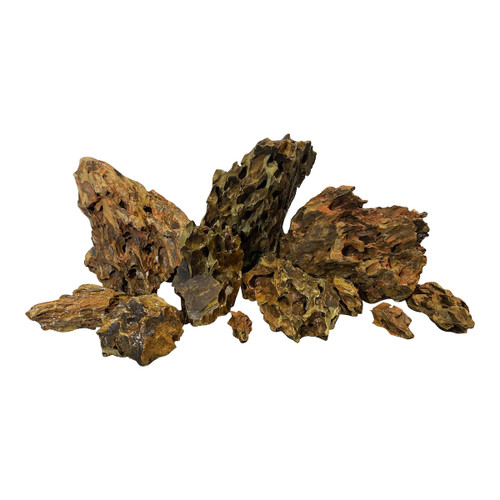
This is where Modern Aquarium’s hardscape options pair especially well with stem plants. Darker wood such as Blackwood or Saba Wood can make red stems stand out more dramatically, while stone and driftwood combinations like Driftwood on Slate can anchor the layout and keep softer plantings from feeling too loose. Tiger Wood works particularly well when the goal is a layout with branching lines and planted pockets, because stem plants can be tucked around and behind it to create layered depth. Done well, the hardscape gives the aquarium structure and the stem plants give it life.
The biggest takeaway for anyone starting with stem plants is that success begins with choosing the right role for each plant and then giving it stable conditions. Plant in groups. Give the stems enough room to root and enough light to avoid collapsing into a leggy tangle. Feed the tank consistently. Match the plant to the look you want. And remember that stem plants are not static. Their beauty comes partly from the fact that they grow, respond, and improve when you work with them.
Up Next in Part II.
In Part II, the focus shifts from keeping stem plants healthy to making them look exceptional. That is where trimming, topping, replanting, density-building, and shaping come in. A healthy bunch of stems is a good start. But the lush, vibrant “wall” of stems that gives a planted aquarium that finished, high-end look comes from understanding what to cut, when to cut it, and how to use those trimmings to build something fuller and better over time.