

Cryptocorynes: The Underappreciated Workhorses of the Planted Aquarium (A guide to the “crypt garden” species you’ll find at Modern Aquarium)
Posted by Artur M. Wlazlo on 14 Dec 2025
If you’ve been in the hobby for a while, you’ve probably heard of Cryptocorynes—“crypts” for short. You may even have one in a corner of your tank, quietly doing its job. What many aquarists don’t realize is that crypts are not just filler plants. They’re some of the most beautiful, adaptable, and useful plants you can add to a freshwater aquarium, and they make incredible “backbone” plants for aquascapes that you want to enjoy for years, not weeks.
At Modern Aquarium, we’re big believers in crypts. We offer a wide range of species—everything from tiny, grass-like Cryptocoryne parva to tall, jungle-style Cryptocoryne retrospiralis and balansae—and this blog is meant to be a comprehensive, story-style guide to using them well.
What Exactly Are Cryptocorynes?
Cryptocorynes are rosette plants native mainly to Sri Lanka, India, and Southeast Asia. In the wild, they grow along stream banks, in slow-moving forest rivers, and in areas that are periodically flooded. That natural environment has two important consequences for aquarists:
-
Crypts are root feeders that love a nutrient-rich substrate.
-
They’re naturally adaptable—used to changes in water level, light, and flow.
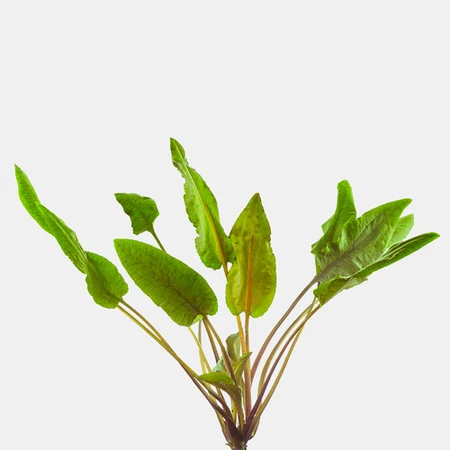
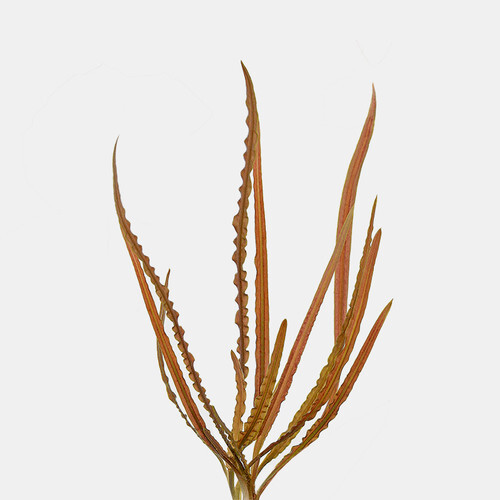
Instead of growing as tall stems that you constantly trim, crypts form compact crowns from which leaves radiate outward. Those leaves can be smooth or crinkled, narrow or broad, light green or deep chocolate brown. Some, like Cryptocoryne spiralis and retrospiralis, send up narrow, grass-like leaves. Others, like many forms of Cryptocoryne wendtii, create wavy, textured rosettes in warm browns, reds, or greens.
They don’t shout for attention like bright red stem plants, but when you step back and look at a layout that’s built on crypts, you see something different: a tank that looks mature, stable, and natural.
Cryptocorynes are often underrated because they don’t demand intense light or pressurized CO₂ to look good. They don’t require constant trimming. They just grow—slowly but steadily—and settle into your aquascape.
That’s exactly what makes them such a good investment:
-
They provide long-term structure. Once established, crypts stay where you put them. They don’t race to the surface every week.
-
They bring rich, earthy color into the tank—bronze, olive, red, and brown that look sophisticated rather than flashy.
-
They add texture: crinkled leaves, narrow straps, broad spears, and tiny grass-like blades that work beautifully against rocks and driftwood.
-
They thrive in low-tech community and shrimp tanks, where fussier plants often struggle.
A well-planted crypt “garden” becomes the quiet backbone of a layout. Many aquarists start out with one or two crypts and eventually find them in almost every tank they own.
Using Crypts in Aquascapes: Foreground, Midground, Background
Because crypts come in different heights and leaf shapes, you can fill nearly every layer of your tank with them.
Foreground and Low Midground
For the front of the tank, smaller crypts shine.
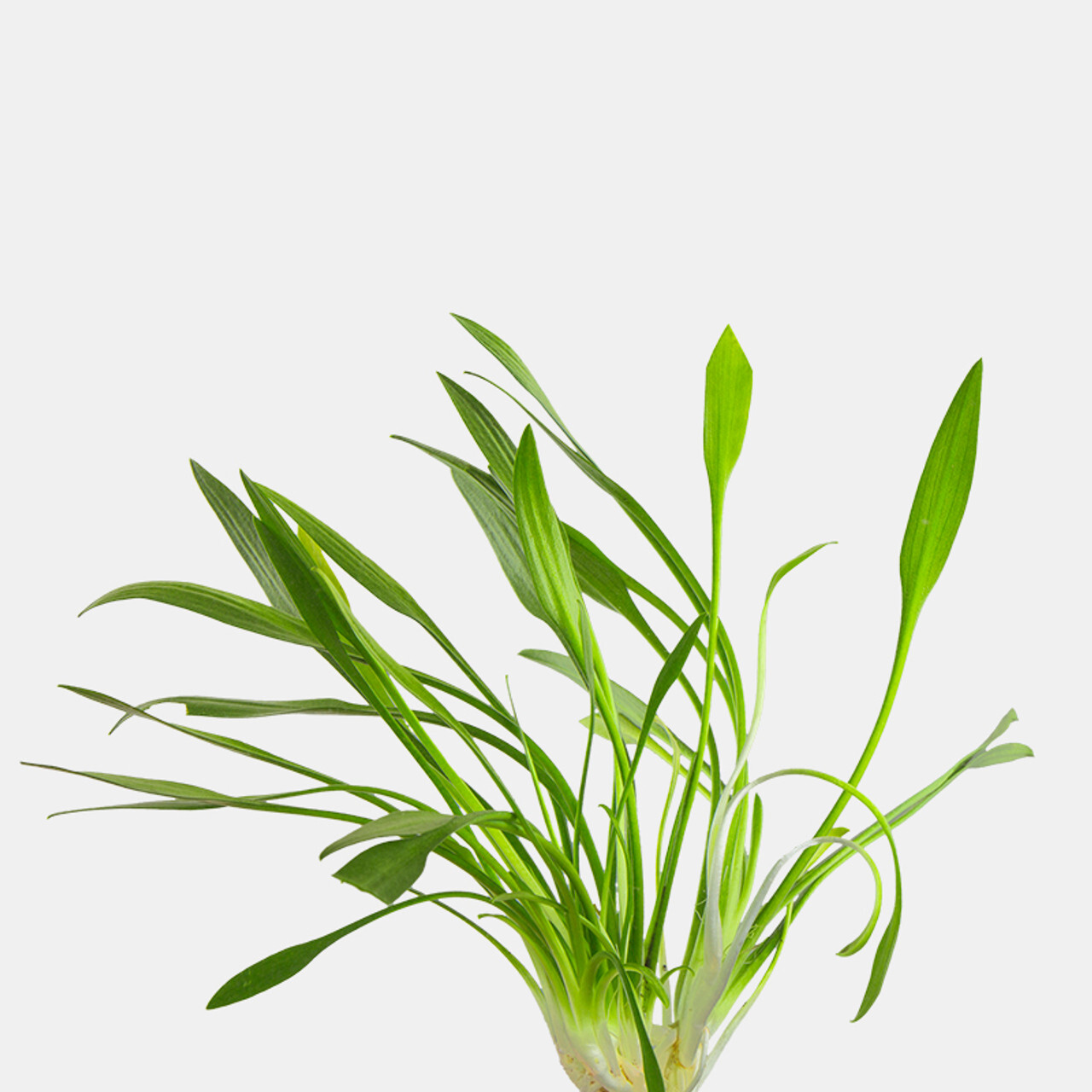
Cryptocoryne parva is one of the tiniest—it grows in tight, grass-like clumps and is excellent for low foregrounds, borders along paths, and gaps between rocks. Cryptocoryne lucens stays low to medium, with narrow, bright green leaves that create a soft “edge” in front of larger plants.
Both work wonderfully around stones and driftwood, where the contrast between delicate leaves and hard surfaces gives a very natural, streambank feel.
Building a “Crypt Garden” in the Midground
The midground is where crypts really earn their reputation. Species like Cryptocoryne wendtii (in its red, green, and brown forms), Cryptocoryne beckettii, lutea, lucens, undulata, costata, and pontederiifolia all occupy the small-to-medium rosette niche, but each has its own personality.
A classic approach is to plant them in small groups and let them slowly expand. You might place a clump of C. wendtii red next to the softer greens of C. lucens, with the more bronze tones of C. beckettii just behind. Over time, this becomes a layered, mixed “crypt bed” that softens the base of your hardscape and provides wonderful cover for fish and shrimp.
Because crypts are not uprooted easily once established, they’re ideal around driftwood and rock structures—especially in tanks with bottom dwellers or fish that like to dig.
Taller Background and Accent Crypts
For the back of the tank and vertical emphasis, the taller crypts come into play.
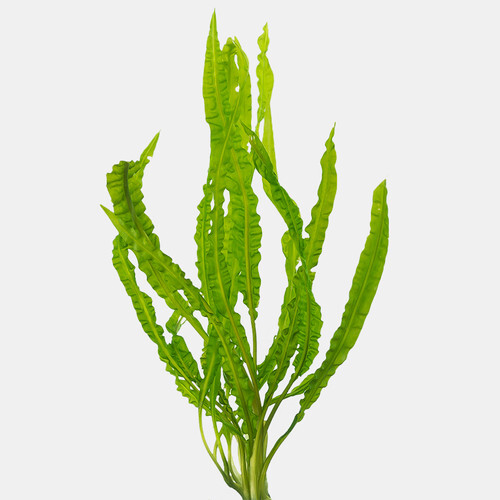
Cryptocoryne retrospiralis and spiralis send up narrow, ribbon-like leaves that can form a soft curtain along the back or sides, or provide vertical accents behind rocks. Cryptocoryne balansae is more dramatic, with long, heavily crinkled leaves that sway in the current and give a “jungle river” vibe.
These taller species offer an interesting alternative to Vallisneria or large swords when you want a background that is textured and wild-looking, but still relatively easy to manage.
Benefits for Fish, Shrimp, and Tank Stability
Crypts are not just pretty—they’re extremely functional.
Dense crypt groupings give small fish, fry, and shrimp places to retreat and forage. They break up lines of sight so territorial fish feel less exposed and are less likely to chase each other constantly.
The leaves and root zones collect biofilm and micro-organisms that shrimp and small bottom dwellers graze on all day. At the same time, those deep root systems help stabilize the substrate, especially in tanks with active fish that like to dig.
As heavy root feeders, crypts also help pull nutrients out of the substrate and water column. They’re not a substitute for good maintenance, but they’re a solid ally in keeping your tank stable over the long term.
Basic Care: Keeping Crypts Happy
The core recipe for crypt success is simple: give them a good place to put down roots, keep things stable, and then don’t fuss with them too much.
Most crypts will do very well if you:
-
Use a nutrient-rich substrate (for example, Fluval Stratum Planted Tank Substrate) or add root tabs near their crowns.
-
Provide low to moderate light for the majority of species; they don’t need intense lighting, and too much light can invite algae.
-
Maintain stable water parameters—crypts tolerate a range of hardness and pH, but dislike sudden swings.
-
Avoid moving them once planted; they generally don’t appreciate being uprooted and relocated.
CO₂ injection isn’t required, but it certainly doesn’t hurt. In tanks where you’re already running our Fully Automated CO₂ System with pH & CO₂ Controller, crypts will grow faster, produce broader leaves, and bounce back more quickly from any stress. In low-tech community tanks, they’re perfectly happy to take their time.
Crypt Melt: Normal, Annoying, and Usually Harmless
If you’ve heard anything “scary” about crypts, it’s probably the phrase crypt melt. This is the phenomenon where crypt leaves suddenly turn mushy, transparent, or disintegrate, and the plant appears to collapse.
It almost always happens when:
-
The plant is moved to a new tank or its location is drastically changed.
-
It transitions from emersed growth (grown above water at the nursery) to fully submerged conditions in your aquarium.
-
There’s a significant change in parameters like pH, hardness, temperature, or light.
The important point is this: melt does not automatically mean the crypt is dead. In many cases, the roots and crown are very much alive; the plant is simply discarding leaves that were adapted to the old conditions and preparing to grow new ones suited to your tank.
When crypt melt happens, the best response is calm, methodical:
-
Gently remove decaying leaves so they don’t foul the water.
-
Leave the crown and roots in place—do not toss the plant.
-
Keep your lighting, fertilization, and water parameters steady; avoid making more big changes.
-
Wait. In a few weeks, new leaves typically emerge from the crown, and the plant begins to rebuild itself.
Once a crypt has melted and regrown in your aquarium, it tends to become very stable. Long-established crypts are often among the toughest plants in the tank.
A Look at Some of the Crypts We Offer at Modern Aquarium
All of the principles above apply to the Cryptocoryne species we carry at Modern Aquarium, but each has its own role in an aquascape.
For low front and edge work, Cryptocoryne parva and Cryptocoryne lucens are excellent choices. Parva’s tiny, grass-like tufts are great between rocks or along paths, while Lucens forms a soft, bright green edging in the foreground and low midground.

In the heart of the tank, species like Cryptocoryne wendtii (red, green, and brown forms), Cryptocoryne beckettii, Cryptocoryne lutea, Cryptocoryne undulata, Cryptocoryne costata, and Cryptocoryne pontederiifolia provide the classic “crypt garden” look. These are the plants you group gently in the midground, around the base of driftwood or rocks, and then let expand into layered rosettes with varied color and texture. Our potted forms—such as Cryptocoryne wendtii brown – potted—make initial planting especially easy and help the plant establish quickly.
For the back and sides, Cryptocoryne retrospiralis, Cryptocoryne spiralis, and Cryptocoryne balansae offer height and movement. Retrospiralis and spiralis send up slim, grassy leaves that frame the aquascape, while Balansae’s long, crinkled blades are ideal for a more dramatic, jungle-style background behind your midground crypts.
All of these species share the same core virtues: hardy, rooted, adaptable, and much more beautiful than their “workhorse” label suggests.
Planting, Layout Tips, and Supporting Equipment
When planting crypts, bury the roots firmly but avoid burying the crown too deeply; it should sit at or just above the substrate line. Give each plant enough space to expand. Crypts spread slowly, but they do spread, and a tightly packed group will eventually become a lush clump without constant replanting.
They are especially effective tucked around aquascaping rocks and driftwood, where the leaves soften hard edges and make the layout feel like a real riverbank or forest stream. You can combine smaller crypts in the foreground with medium rosettes in the midground and taller forms at the back, then connect everything with other plants you’ll also find at Modern Aquarium—such as Dwarf Hairgrass carpets, Java Fern on wood, or Anubias on stone.
A good substrate like Fluval Stratum, combined with high-quality fertilizers such as Thrive, will keep your crypts fed over the long term. If you want to push growth and color further, our Fully Automated CO₂ System with pH & CO₂ Controller gives you stable CO₂ levels without daily manual adjustments. For cleanup, peaceful algae eaters like our Tiger Eye Nerite Snails and mystery snails help keep rocks, glass, and even crypt leaves free of excess algae while leaving your plants alone.
Why Choose Cryptocorynes from Modern Aquarium
At Modern Aquarium, we treat crypts as the long-term foundation plants they are. Each plant is inspected, cleaned, and prepared by hand before shipping so you receive robust crowns and healthy roots that are ready to settle in and grow.
Modern Aquarium has been designated by Google as a Top Quality Store on Google and has over thousands of individual verified reviews from real customers, so you can order with confidence. Our live plants are covered by a Live Arrival Guarantee and shipped via FedEx 2-Day delivery to help ensure they arrive fresh and ready to plant. We source from some of the best nurseries in Florida, and our product photos are realistic representations of what we sell—no misleading stock images. As with any live plant, each crypt will have its own natural variation in size, fullness, and color.
If you’re not sure which crypts to choose or how to place them in your scape, you can always reach us through the chat feature on our website or simply give us a call. We’re happy to offer practical, hobby-focused advice tailored to your tank.
If you’ve overlooked Cryptocorynes in the past, consider this your invitation to build a crypt garden of your own. Once they settle in, many aquarists find it hard to imagine their tanks without these quiet, beautiful, and incredibly dependable plants.